
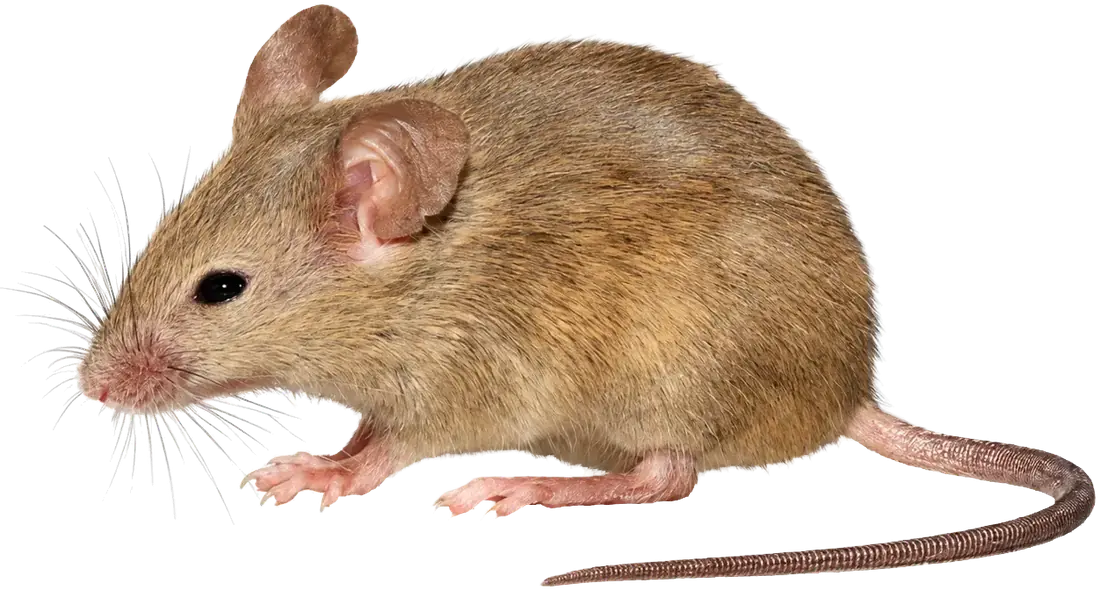
Second-Generation, Family-Owned Since 1983 · Entomologist on Staff
Licensed, certified, accountable
What we hold
- NYS DECCertified applicator C1822141Categories 7A, 7F, 8
- 1983Family-owned sinceSecond generation
- B.S.Entomologist on staffUniversity of Georgia
- PCQIPreventive Controls Qualified IndividualAIB International, under FDA FSMA
- HACCPHazard Analysis Critical Control PointAIB International
- TWICTransportation Worker Identification CredentialUS Transportation Security Administration
- HUETHelicopter Underwater Escape TrainingRelyOn Nutec
- SQFSafe Quality FoodSQF Institute
- NPMANational Pest Management AssociationMember
- NYPMANew York Pest Management AssociationMember
Each badge links to the credential in full, with the issuing body, what it required and what it does not cover.
What we are known for
Rodent exclusion, rodent control and IPM
Between Arnold and Ryan Katz, Graduate brings a combined 70 years of experience in New York City, and in that time we have seen just about everything a building can do to let pests in. Ryan has traveled throughout the United States and internationally to consult, treat and teach.
We are students of the science: why and how these animals function, and what makes them succeed as a species. Understanding how a rat or a mouse lives is what lets us take away what it needs, instead of treating the same problem every season.
- 70combined years in New York City
- 1983founded by Arnold Katz, entomologist
- U.S. & abroadconsulting, treating and teaching
Rodent exclusion
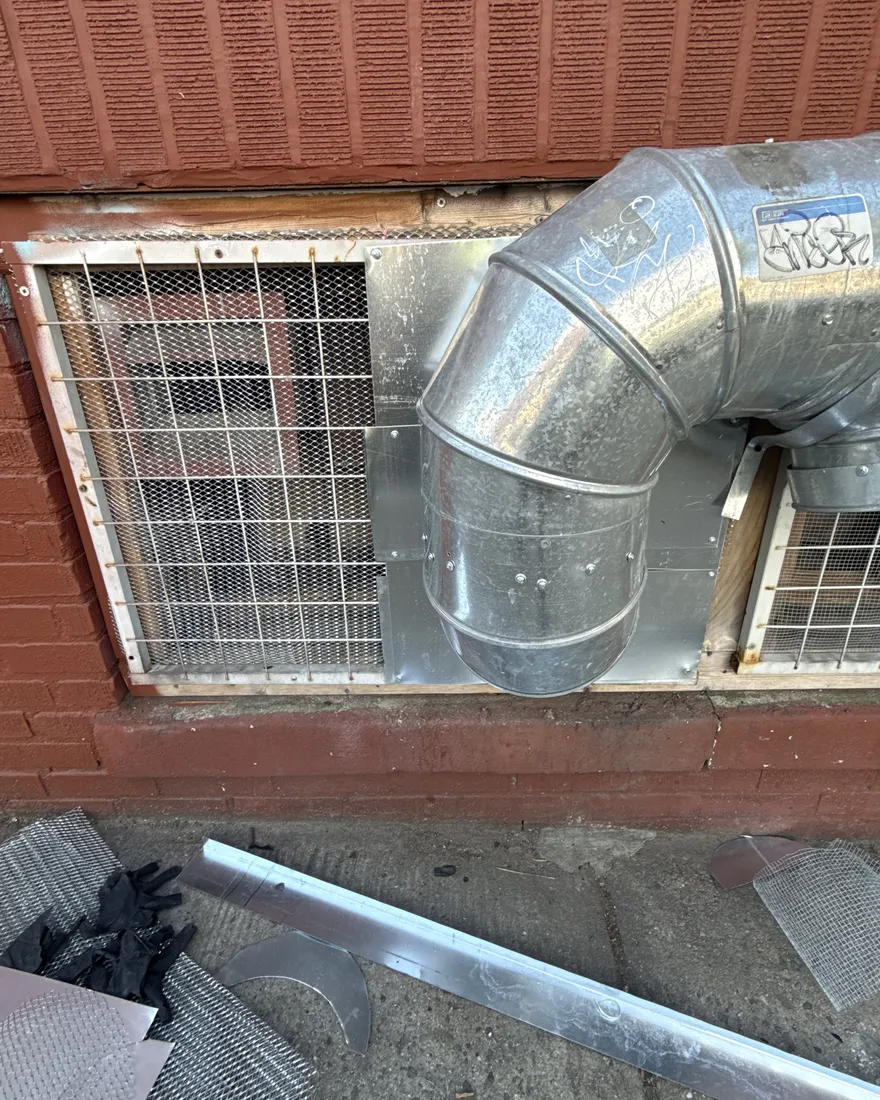
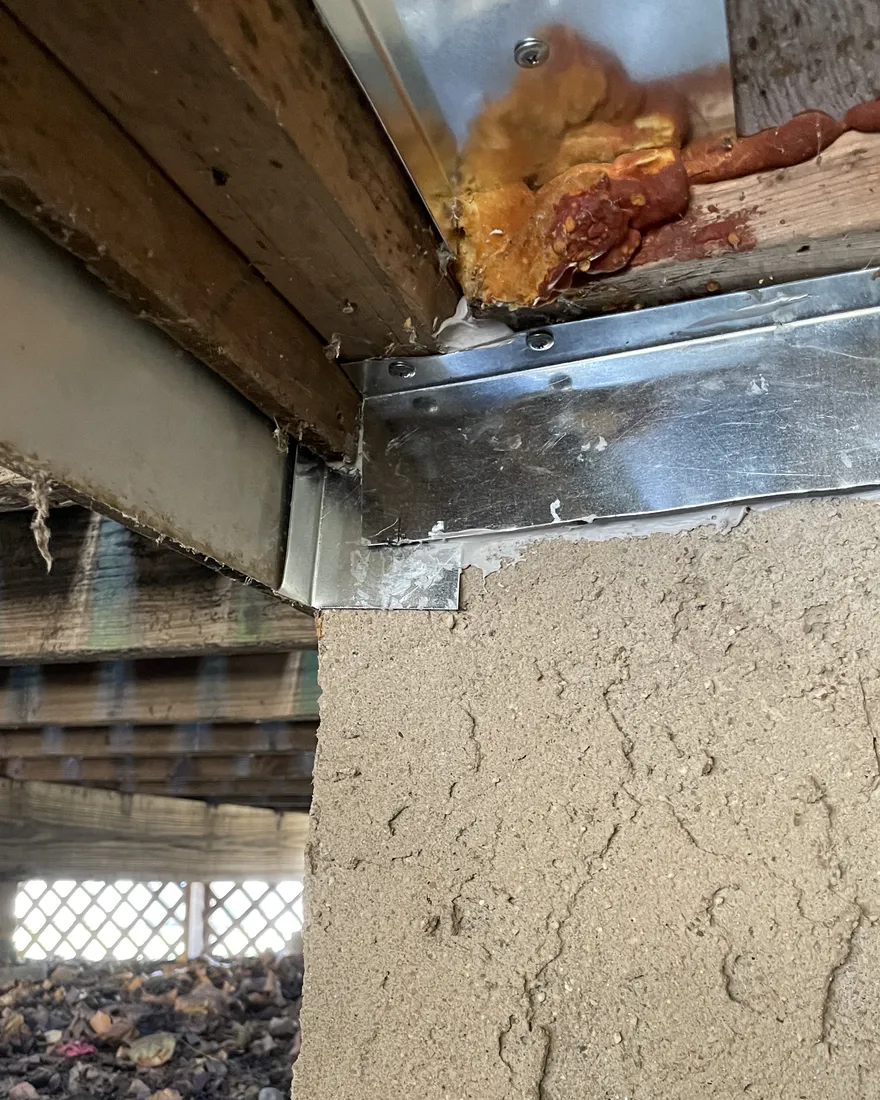
We find every opening mice and rats are using and close it for good: custom-cut galvanized sheet metal, hardware cloth, copper or stainless mesh, and mortar, fastened mechanically. Never foam.
Rodent exclusion →02Rodent control
Population first, then the building, then verification. Droppings, rub marks and tracks show where they run, and detection dogs find activity behind walls and under slabs that nobody can see.
Rodent control →03Integrated pest management (IPM)
For food plants, restaurants and commercial buildings: monitoring, device maps, trend reports and corrective actions, documented to stand up to SQF and third-party audits.
IPM for food facilities →04Consulting and teaching
Other pest control companies, property managers and facilities bring us in to diagnose buildings, write exclusion specifications and train their crews, across the country and overseas.
Exclusion consulting →61 reviews. Every one of them five stars.
Long Island and New York City homeowners, co-op boards and food facilities, since 1983.
Ryan and his team were successful and efficient in a short time period in eradicating a rodent problem in an apartment in Manhattan. They offer research based solutions, which are unique from others in the industry. And they are just nice people. I tried other companies, which all failed to actually create a long-term solution. I would easily recommend this vendor over others in the industry.
Reena A.Manhattan
I had a mouse problem that was getting out of hand, and called Ryan. He handled it quickly and professionally. They were responsive from the first call, explained the process clearly, and showed up on time. The technician was knowledgeable, thorough, and took the time to identify where the mice were getting in, not just treat the symptoms. Since the service, I’ve seen a huge improvement and no new activity. I also appreciated the prevention tips they gave to help avoid future issues. Overall, reliable service and effective results. I would definitely recommend them to anyone dealing with a mouse problem.
Christopher C.
I was dealing with an ant issue at my house in Commack that wouldn’t go away. Ryan from Graduate Pest Control answered right away and came the same day. He found where they were getting in, sealed it up, and solved the problem. Great service and very knowledgeable. I’ll definitely be using him for quarterly service going forward.
Meisi L.Commack
In the press
- News 12 Long Island · 1 July 2026Three ways to get rid of mosquitoes in your garden this summer, and a common myth
- News 12 Long Island · 17 December 2025It’s mice season (and you might not even know you have them)
- News 12 Long Island · 30 July 2025Garden Guide: How to get rid of a yellow jacket nest
What we handle
Core services
- Structural ExclusionThe service the whole practice is built on: seal the entry points, and the pest problem stops being recurring.
- Rodent ControlA mouse needs a quarter-inch gap and a rat needs a half-inch. Rodent work that does not close the building envelope is a subscription, not a solution.
- Cockroach ControlGerman cockroach pressure tracks plumbing chases and shared risers far more reliably than it tracks housekeeping.
- Ant ControlAnt activity is a moisture signal before it is a pest problem: colonies exploit damaged wood, failed flashing and wet sill plates.
- Wasp & Hornet RemovalNests concentrate at soffit returns, ridge vents and gable louvers: the same envelope gaps that let everything else in.
- Bed Bug TreatmentIn multi-unit buildings bed bugs move through shared walls, chases and conduit. Unit-by-unit treatment without a building plan fails.
Also offered
- Mosquito ManagementMosquito pressure is a drainage and standing-water problem on the property, not a fogging schedule.
- Rodent Exclusion & Pest-Proofing ConsultingBuilding exclusion into a structure at design, during construction, or as remediation afterwards: working alongside the architect, GC or engineer.
- Canine Rodent Detection & AbatementHugo and Mia locate burrows and harborage that are not visible from the surface, including under dense groundcover where visual inspection simply fails.
- Canine Bed Bug DetectionA NESDCA-certified handler team answers the question a board actually has: which units, and how far has it spread.
- Food Safety & SQF Program ConsultingDeveloping the pest program for an SQF facility and writing the pest portions of the food safety plan, in the language the rest of the plan is already written in.
- Rodent Monitoring Program ConsultingDevice layout, trend reporting an in-house team can actually run, and an audit of a program that is producing records instead of data.
See all services and how each one is scoped →
Why a building-science approach
Pest problems are building problems, and they need permanent structural solutions.
Field record · Exclusion
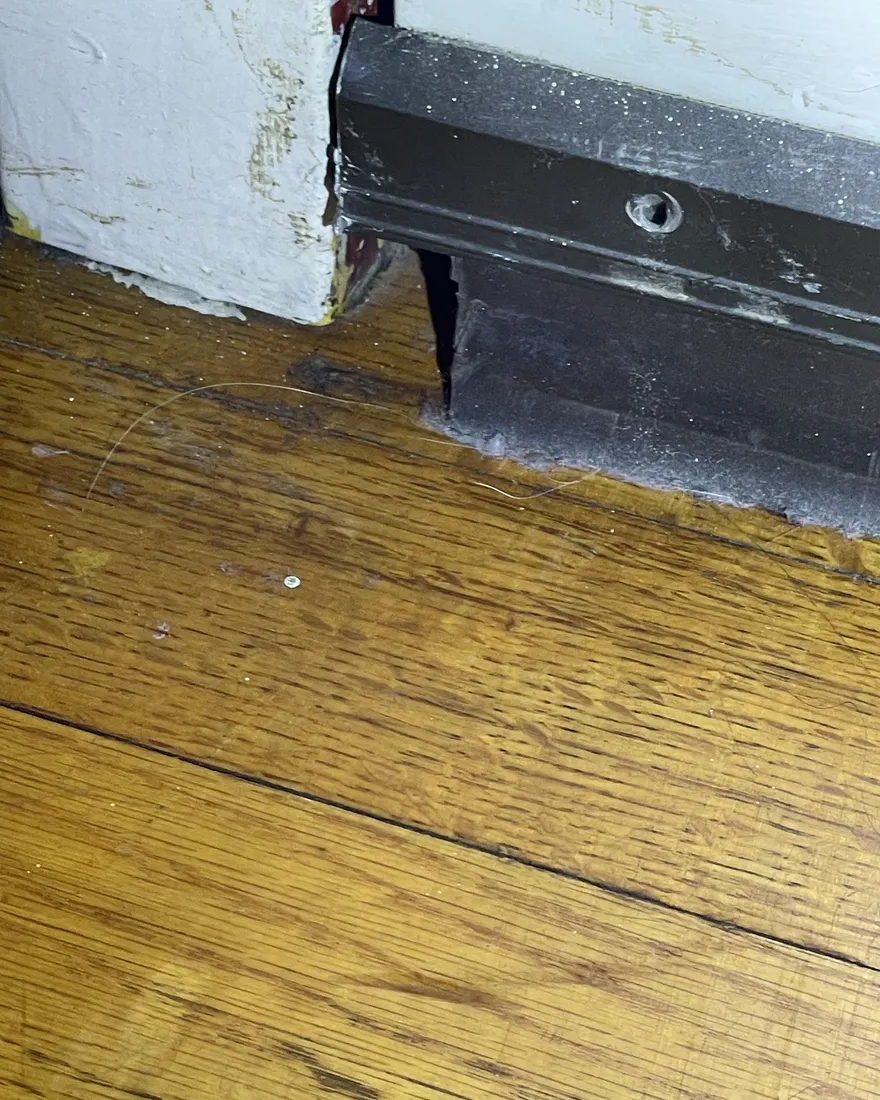
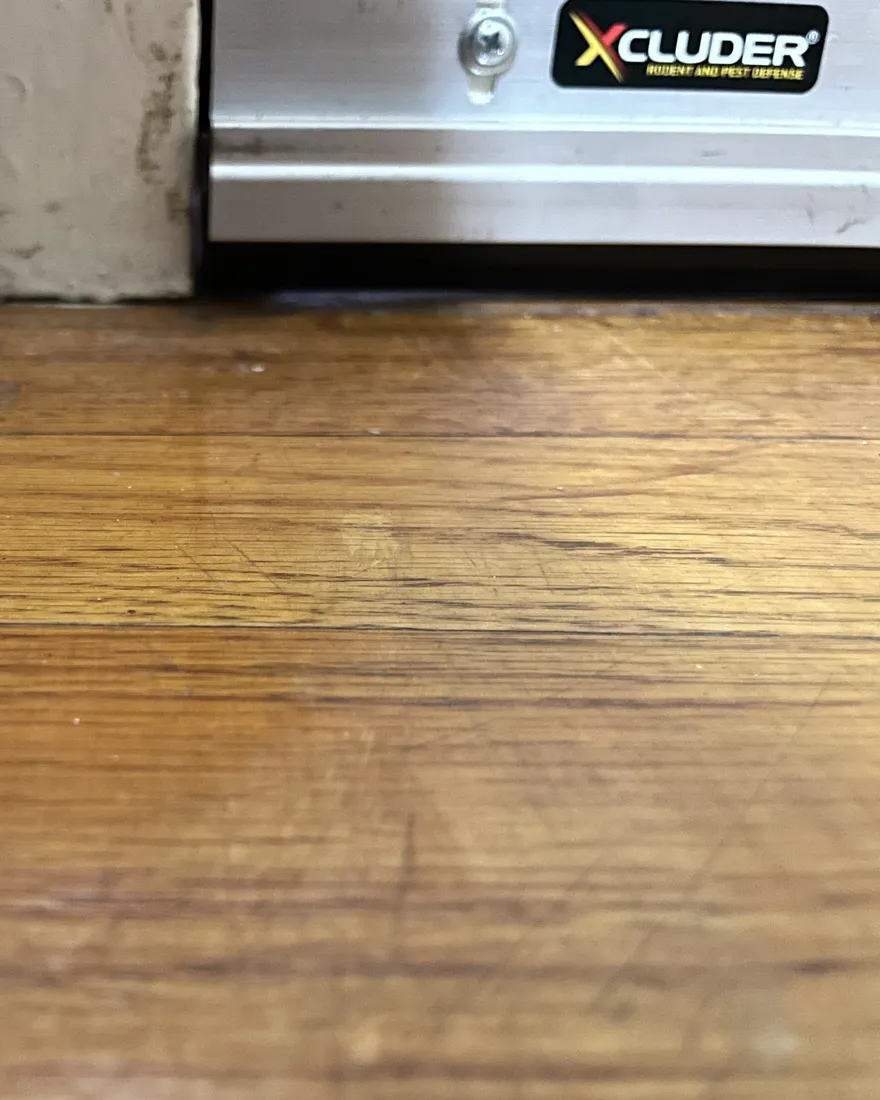
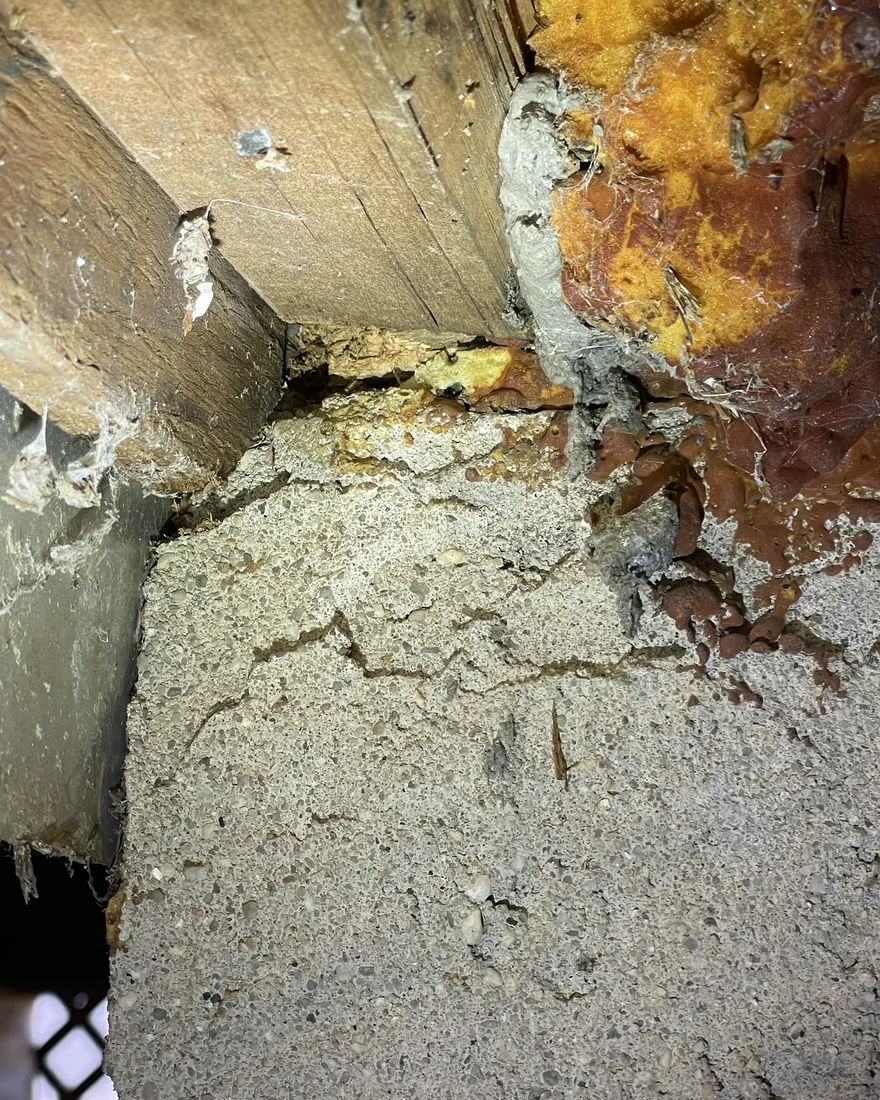
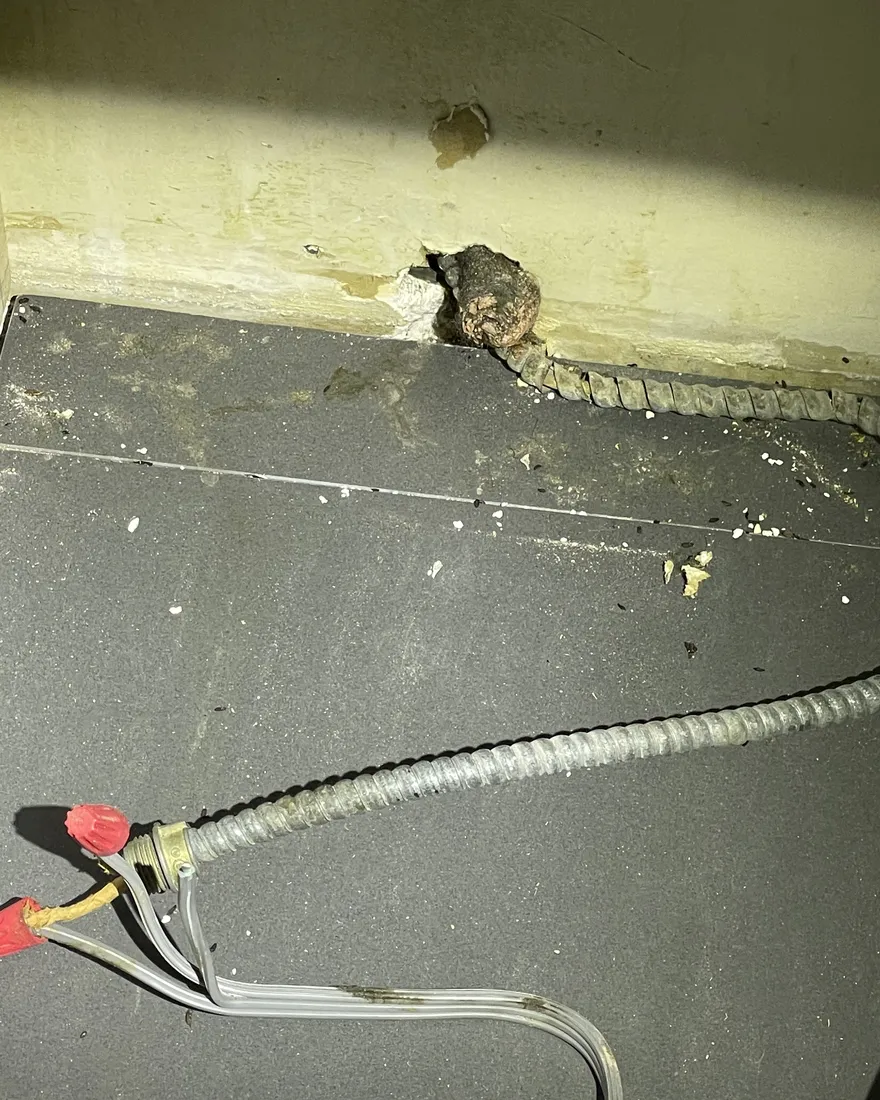
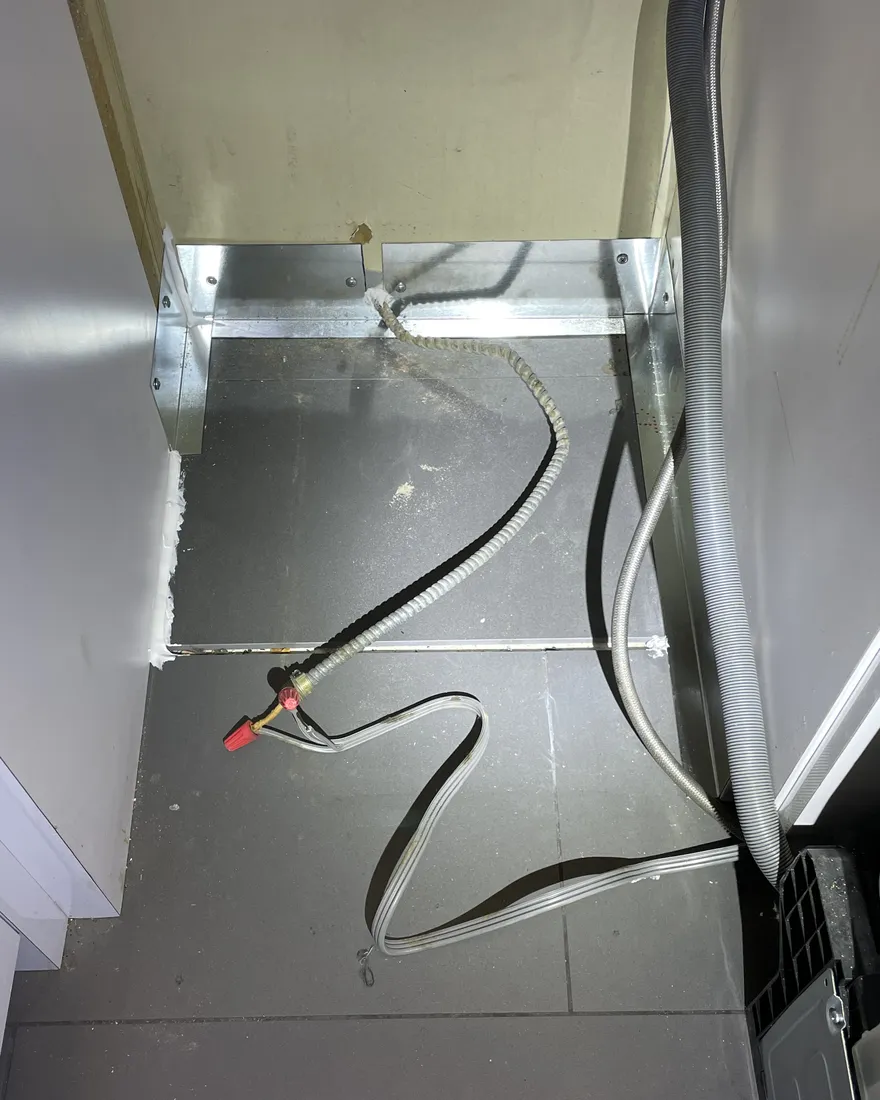
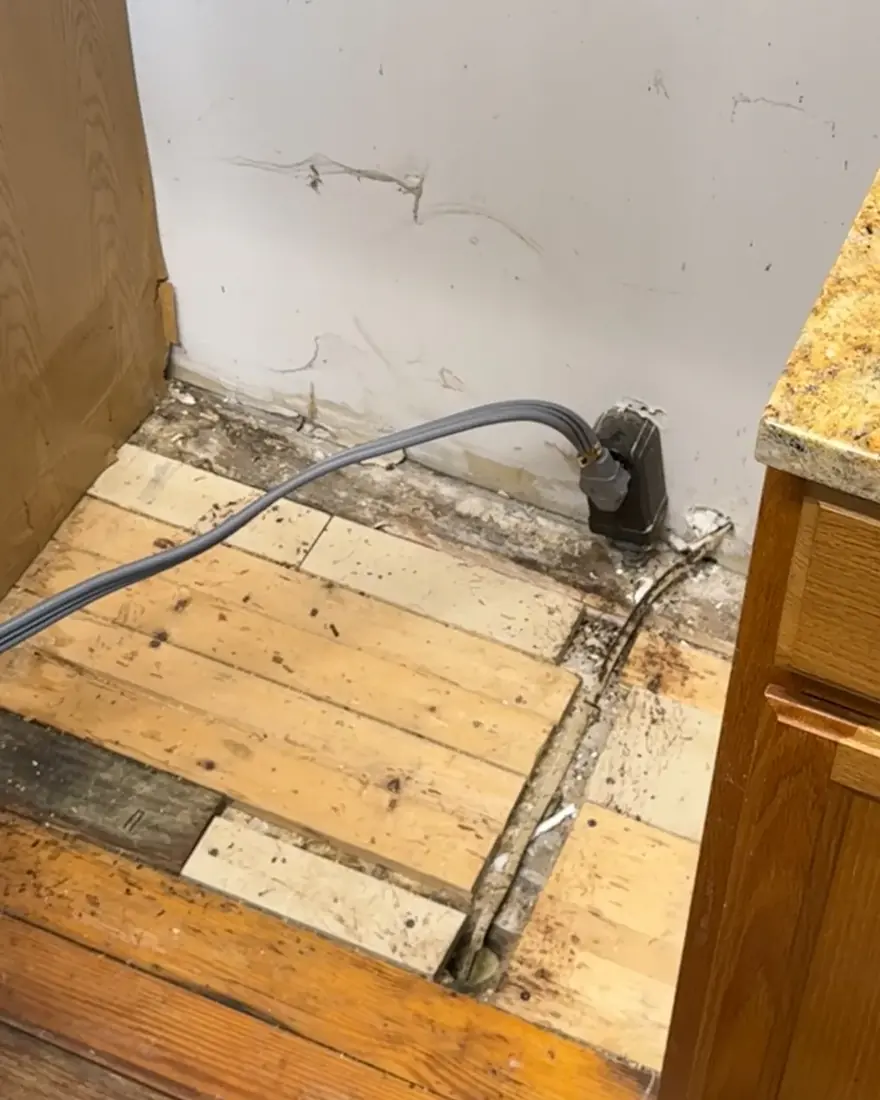
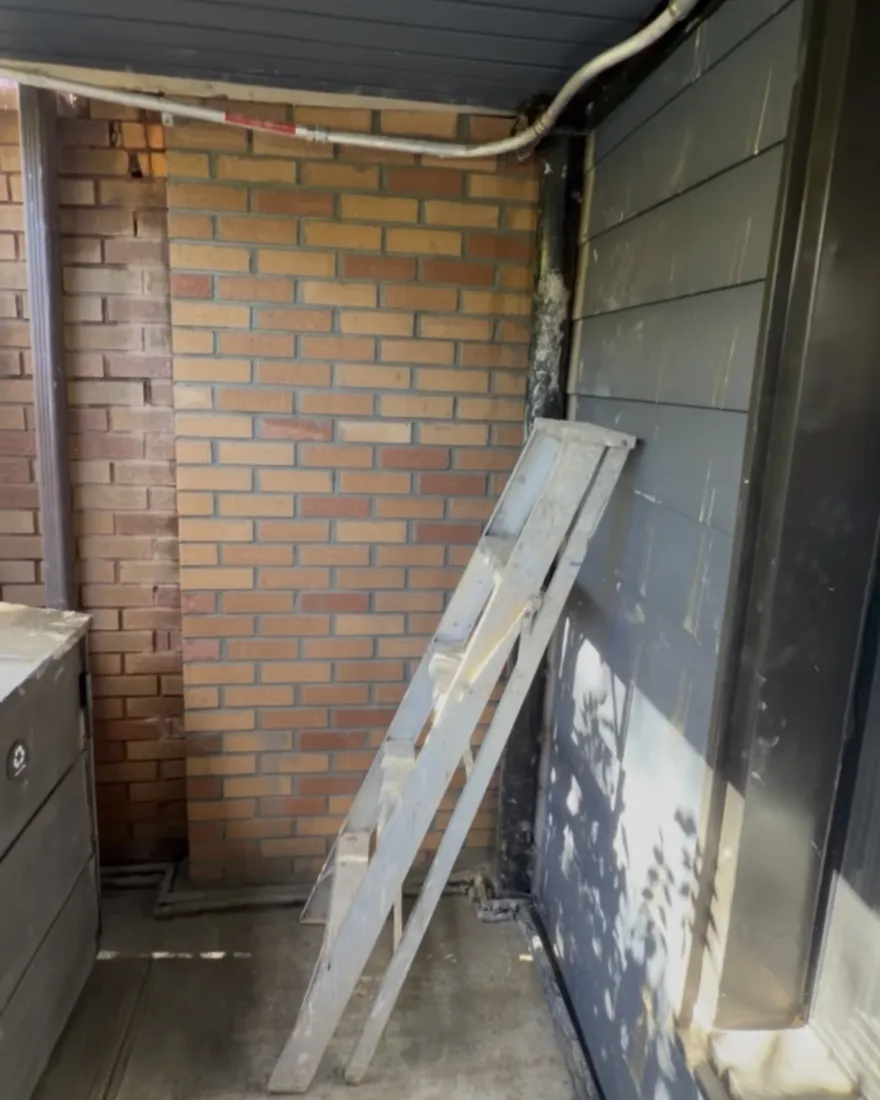
Before and after: exclusion work
Openings in the building itself, closed in hard materials. Drag the handle on each photo.
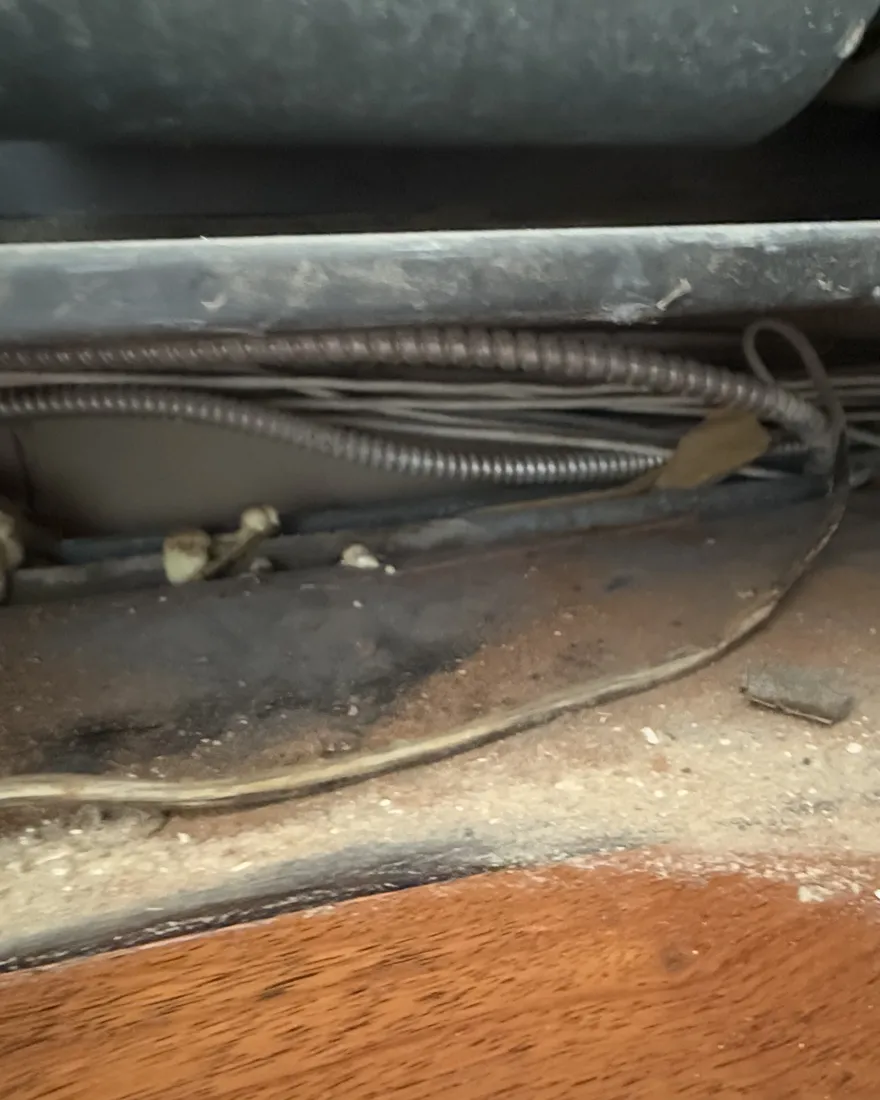
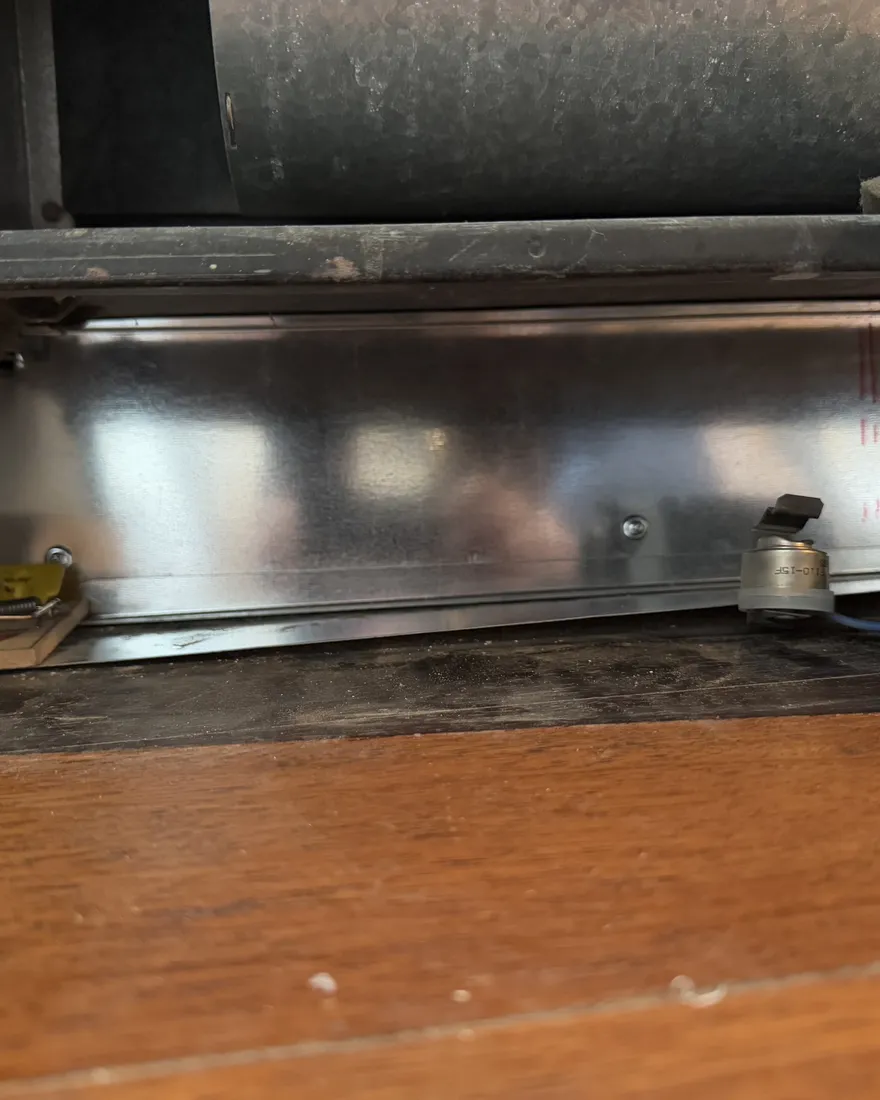
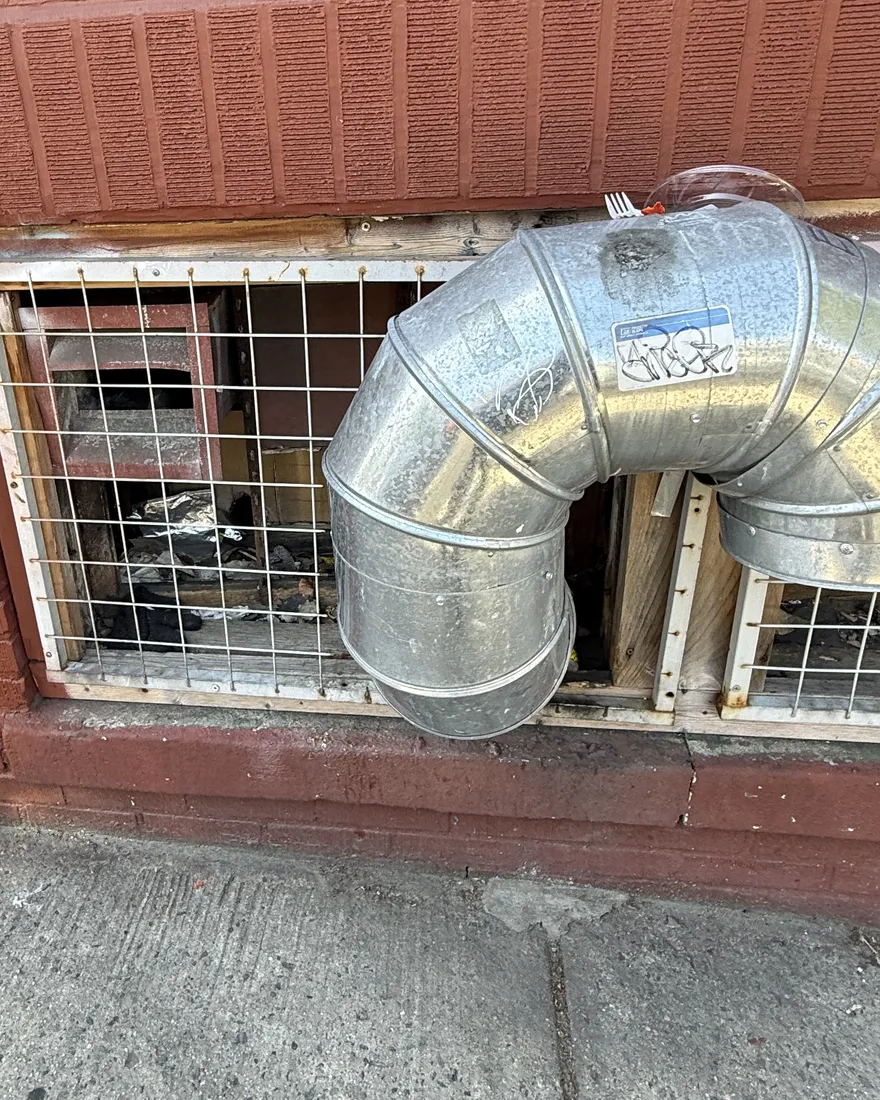
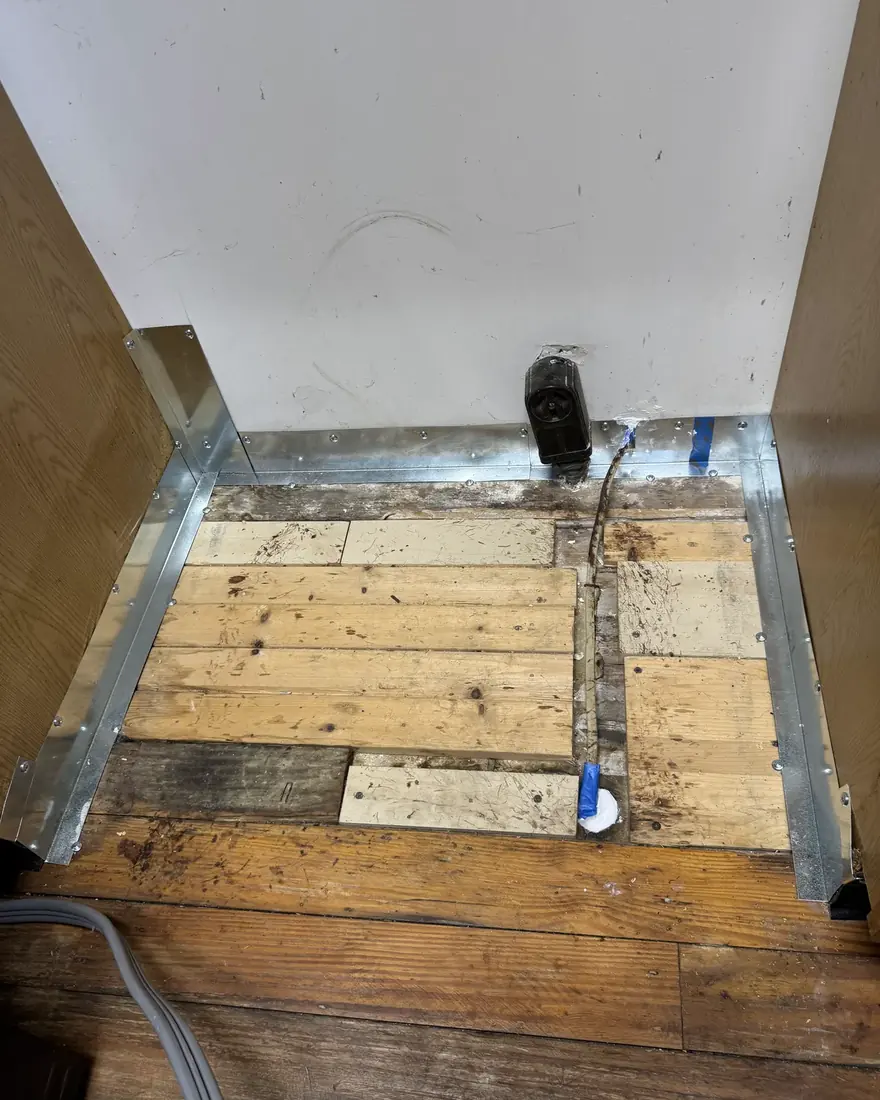
Seeing openings like these at your building?
Field record · Landscape
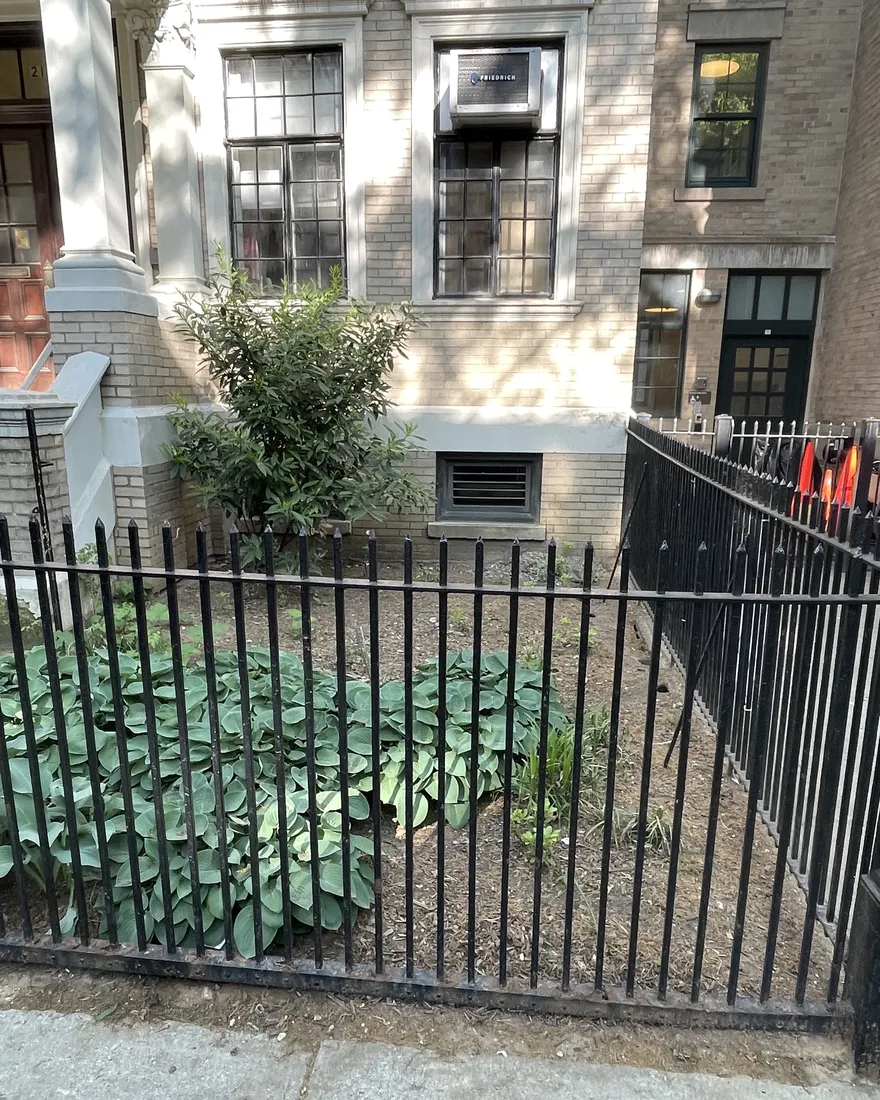
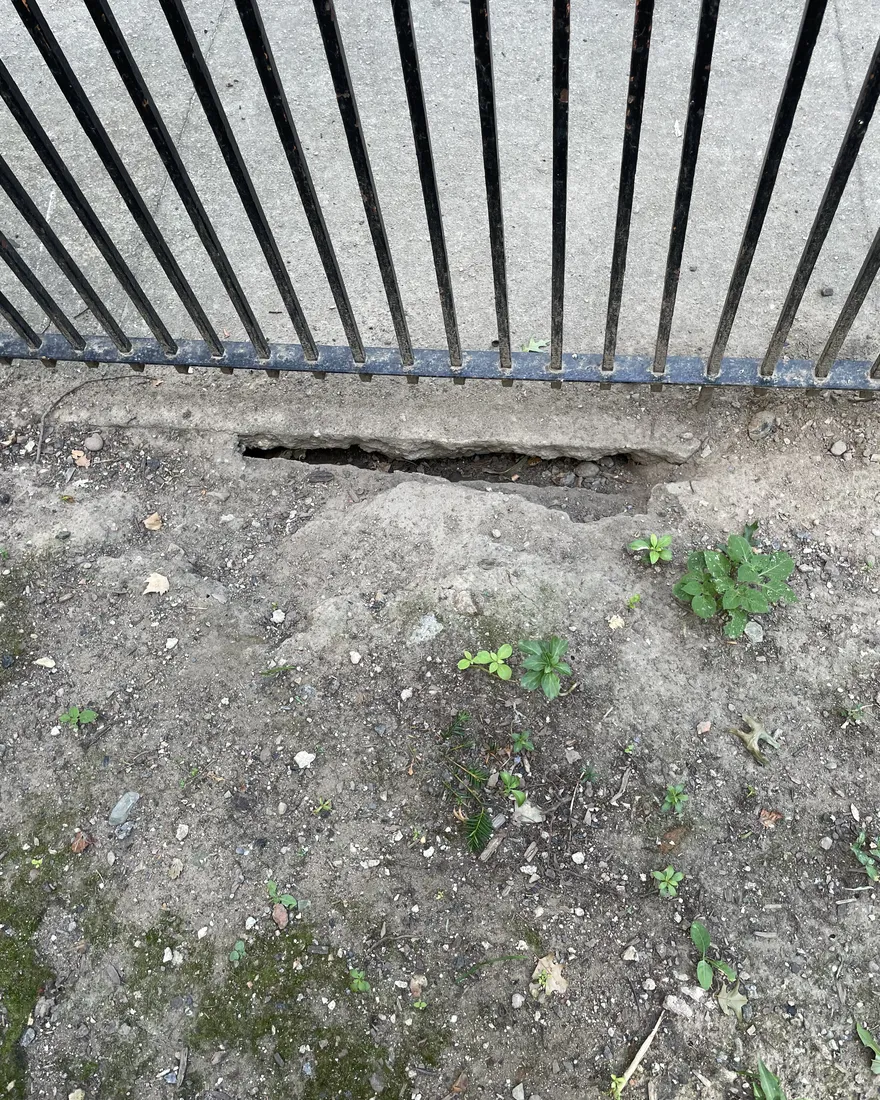
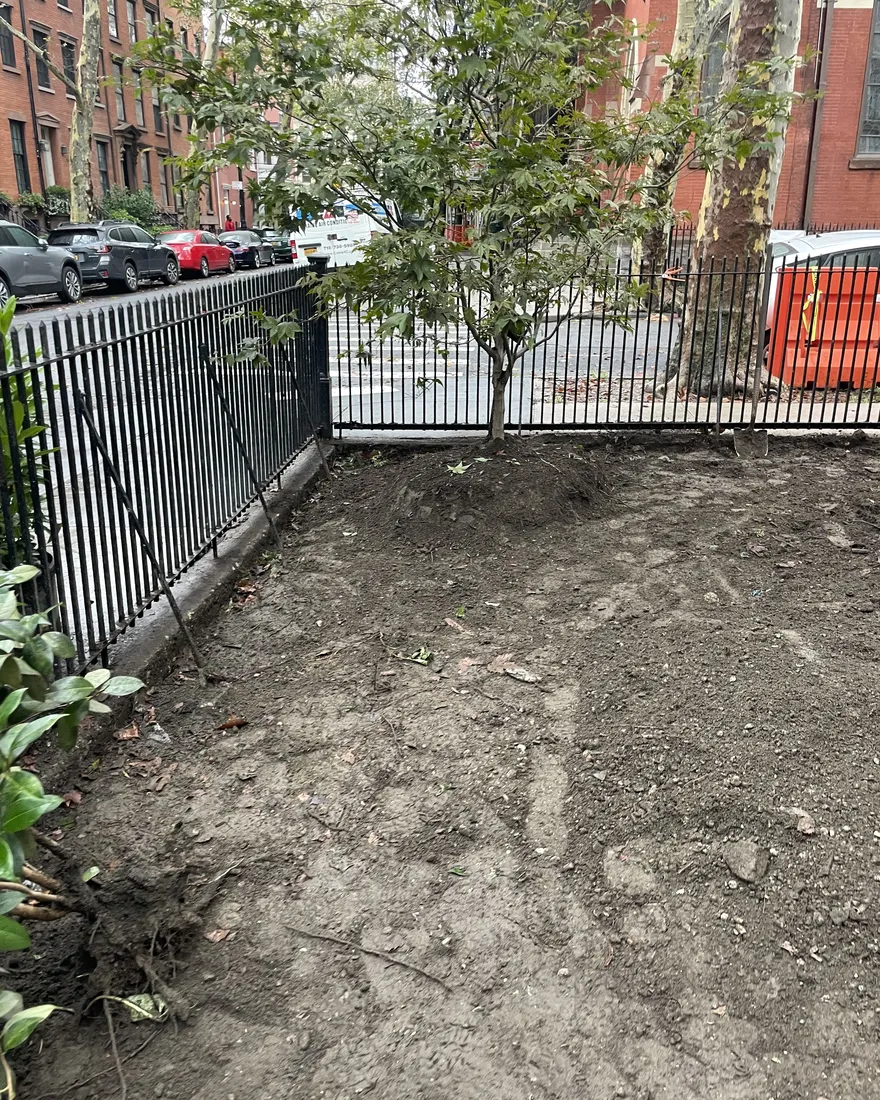
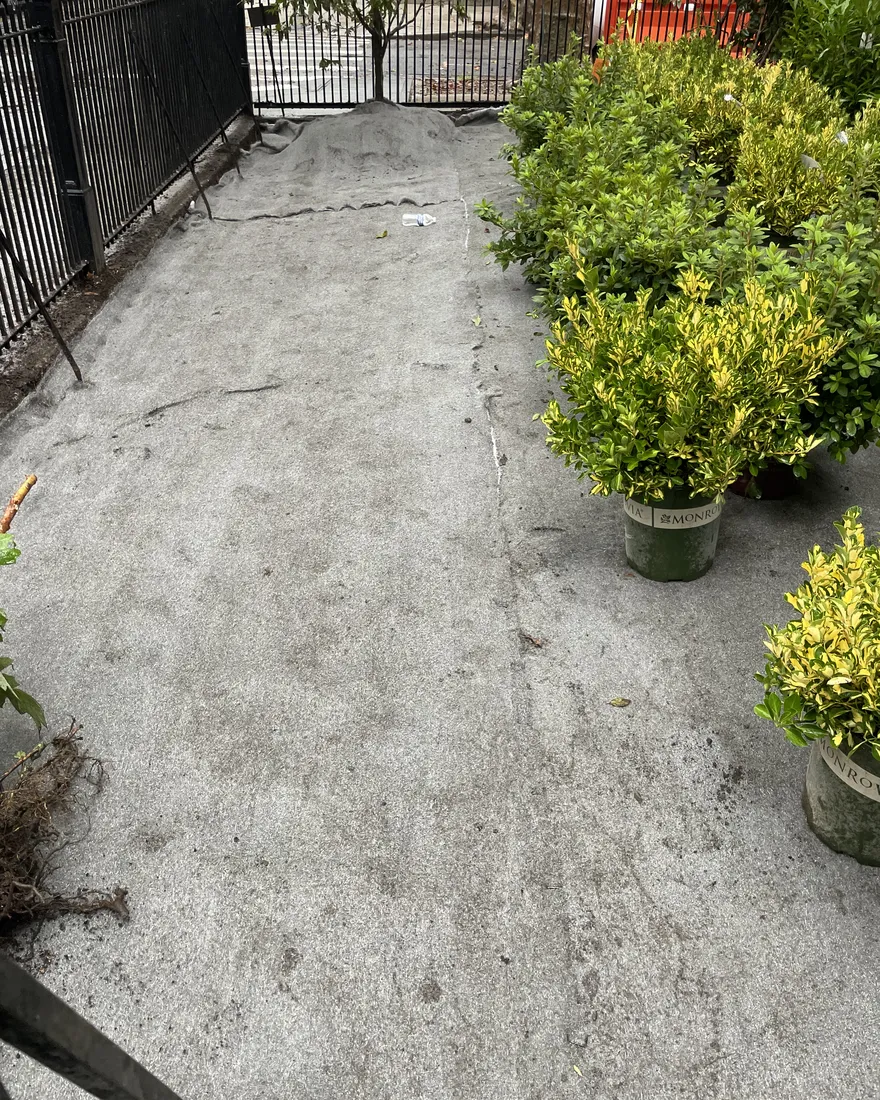
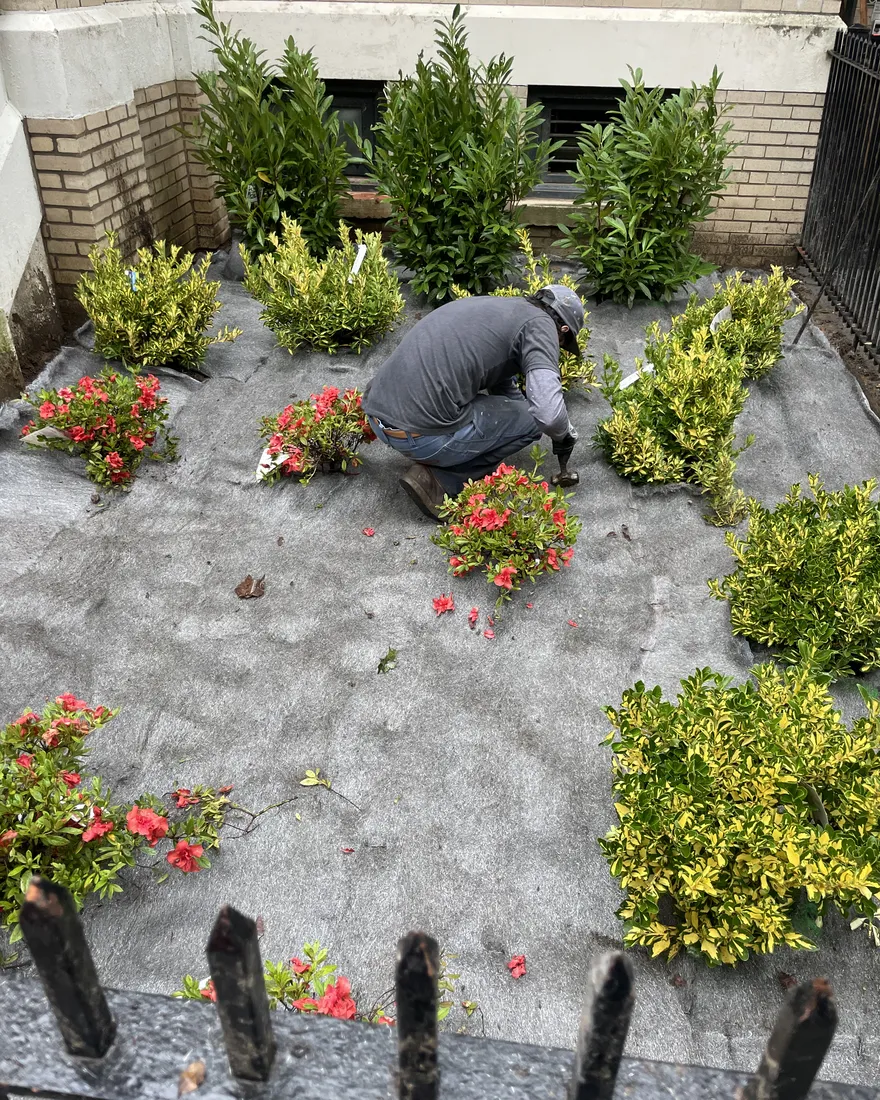
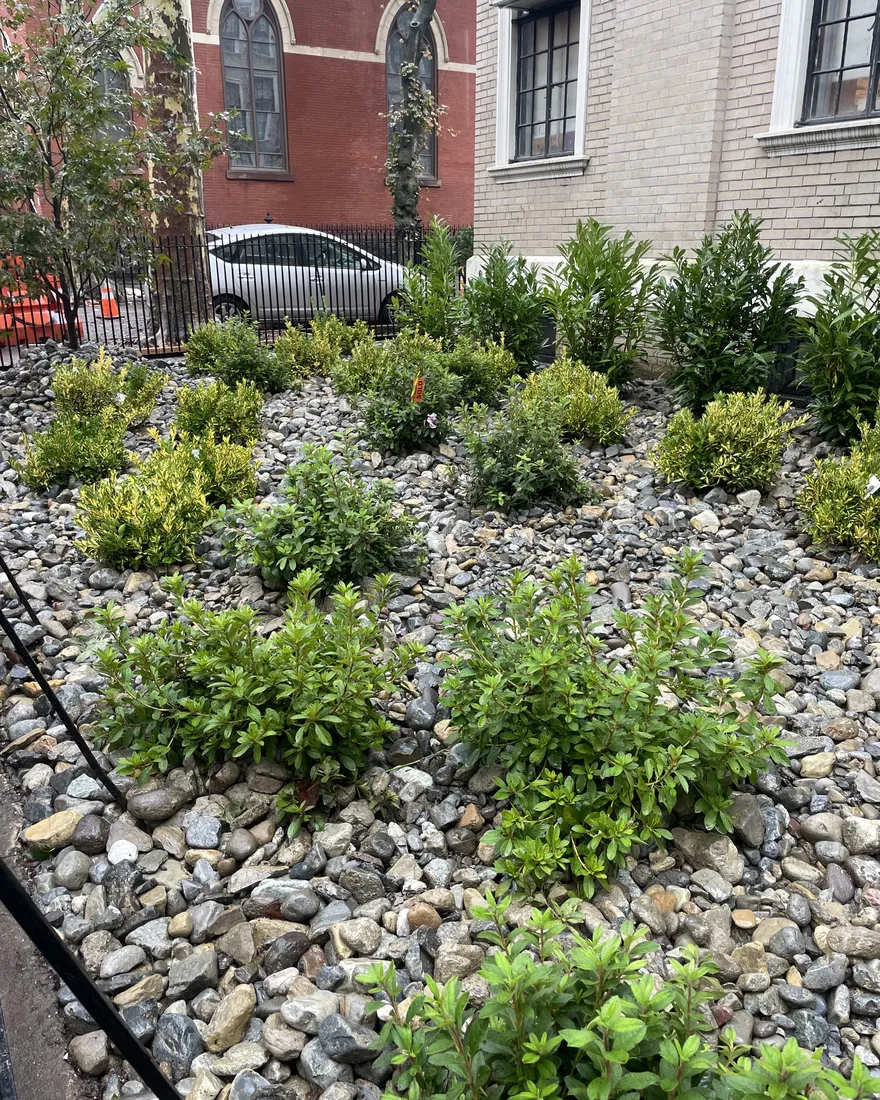
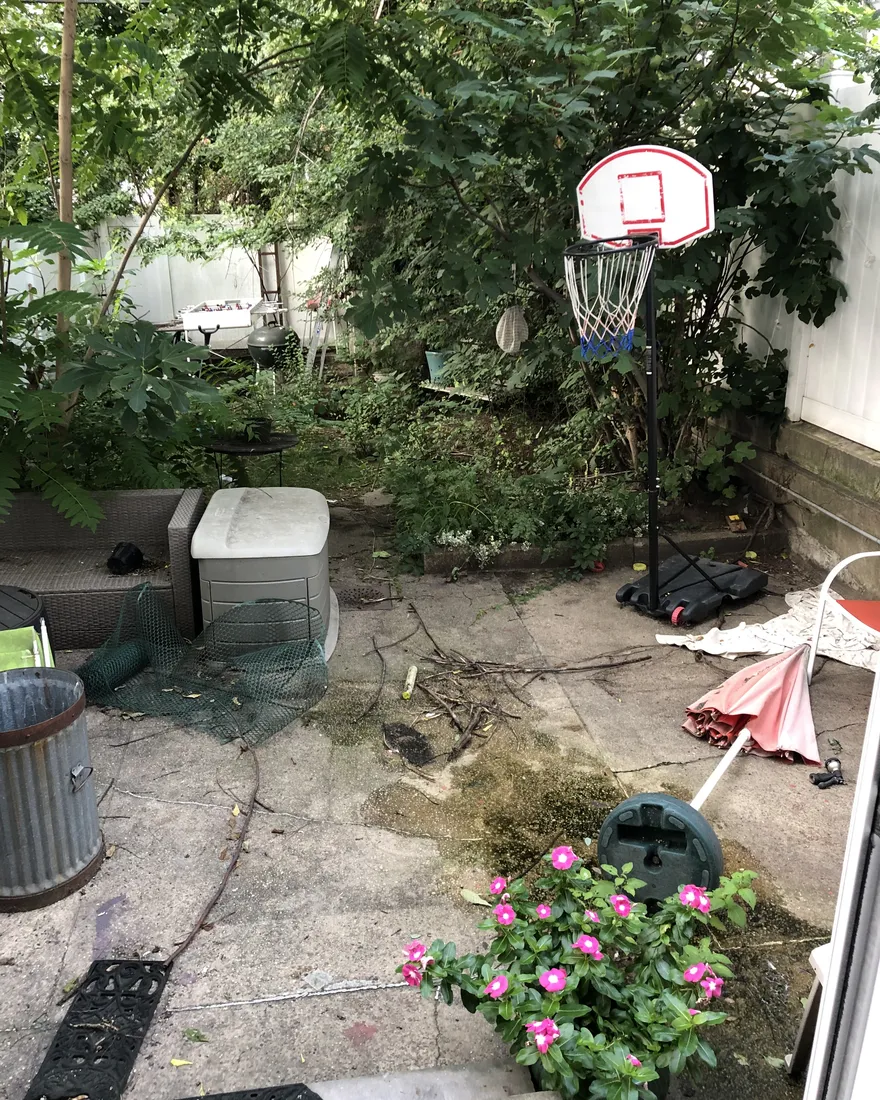
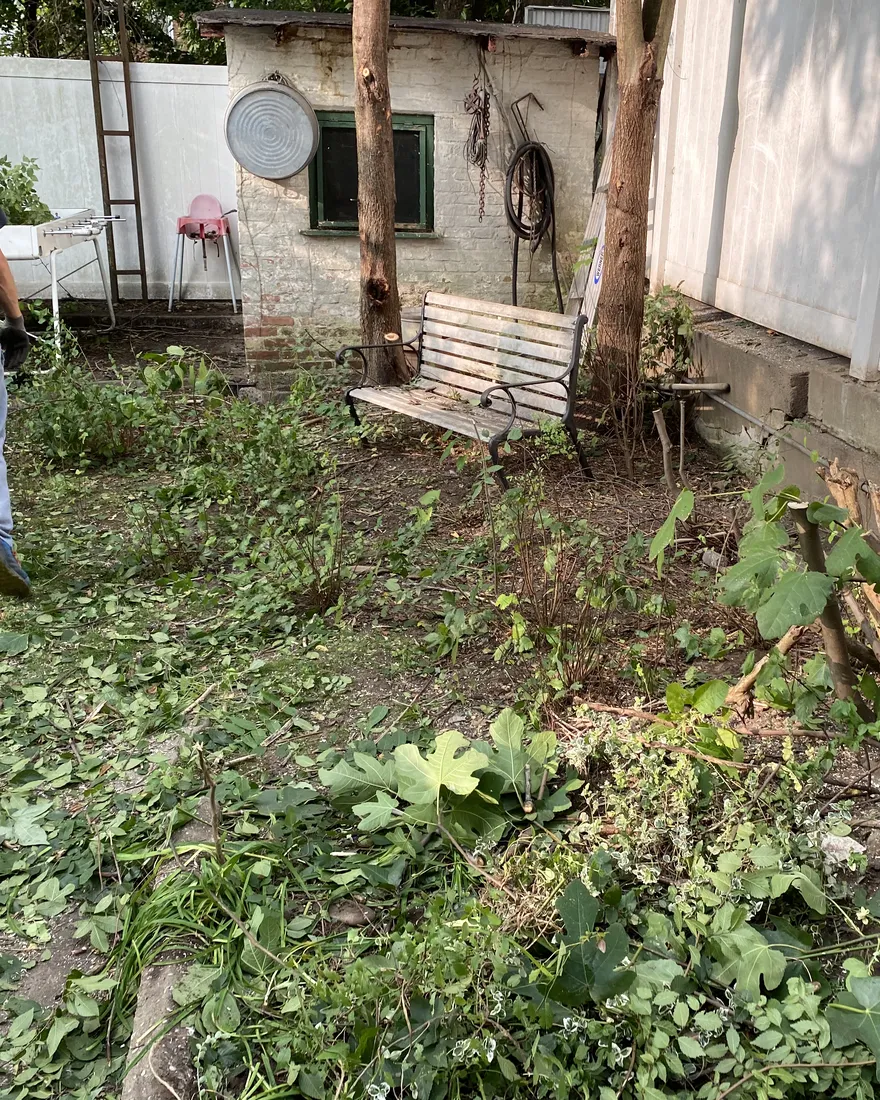
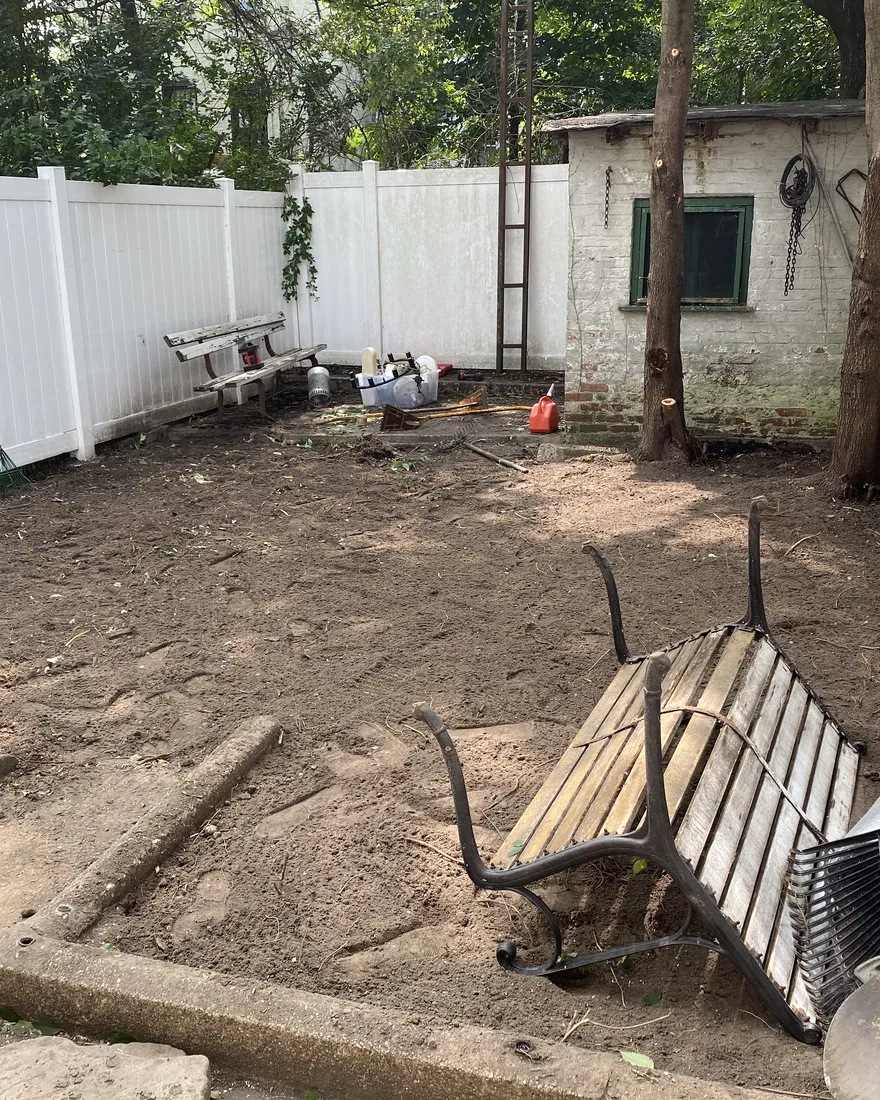
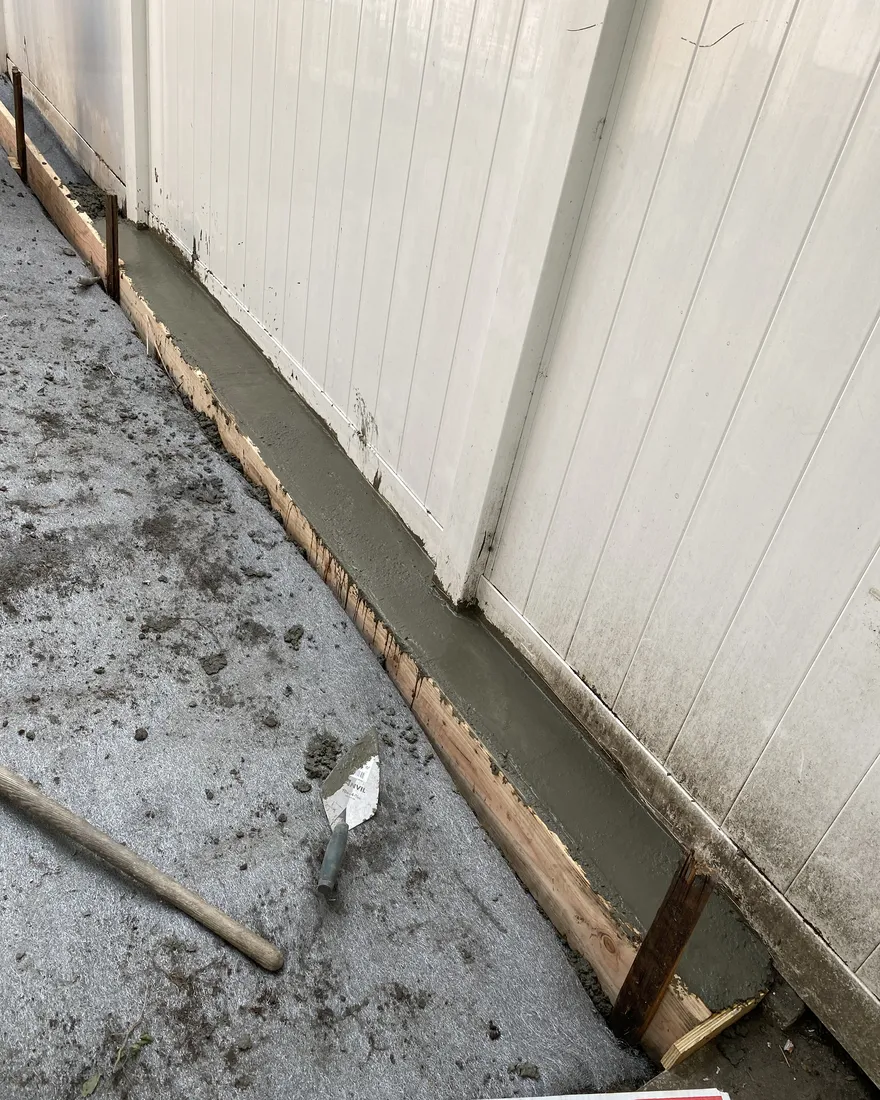
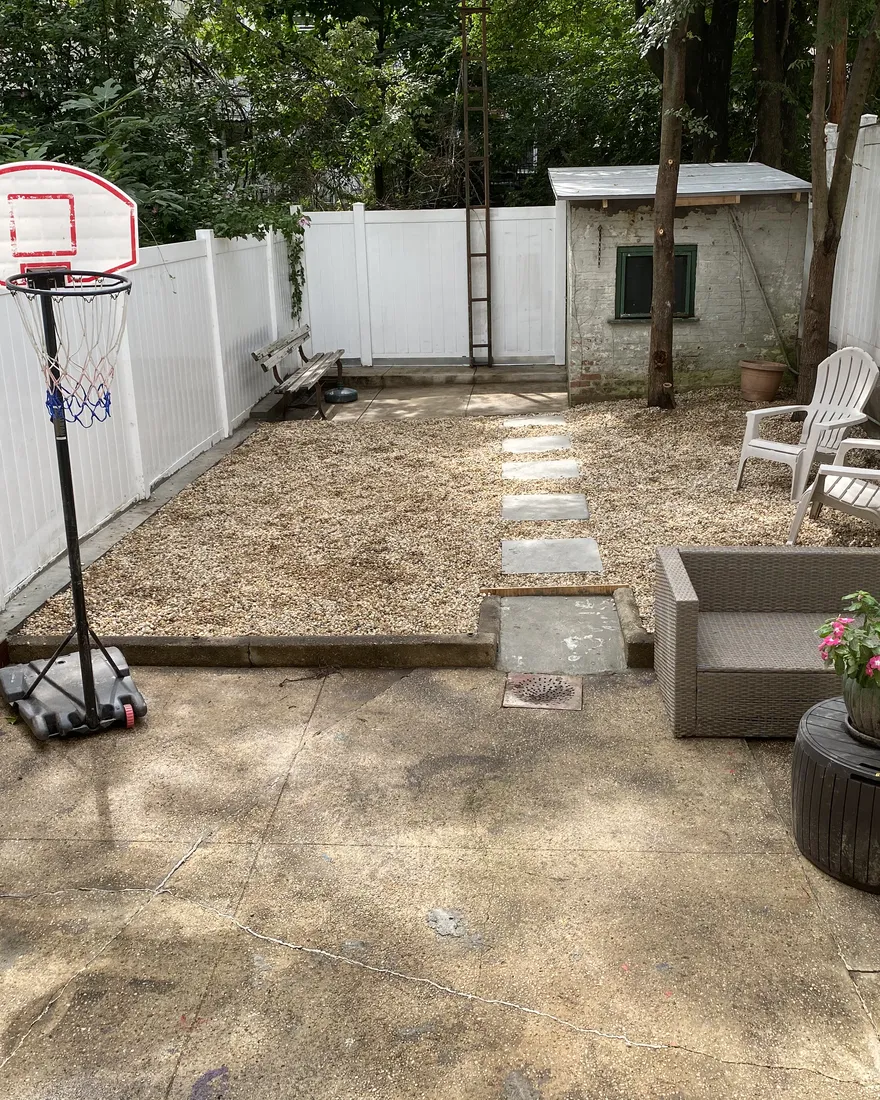
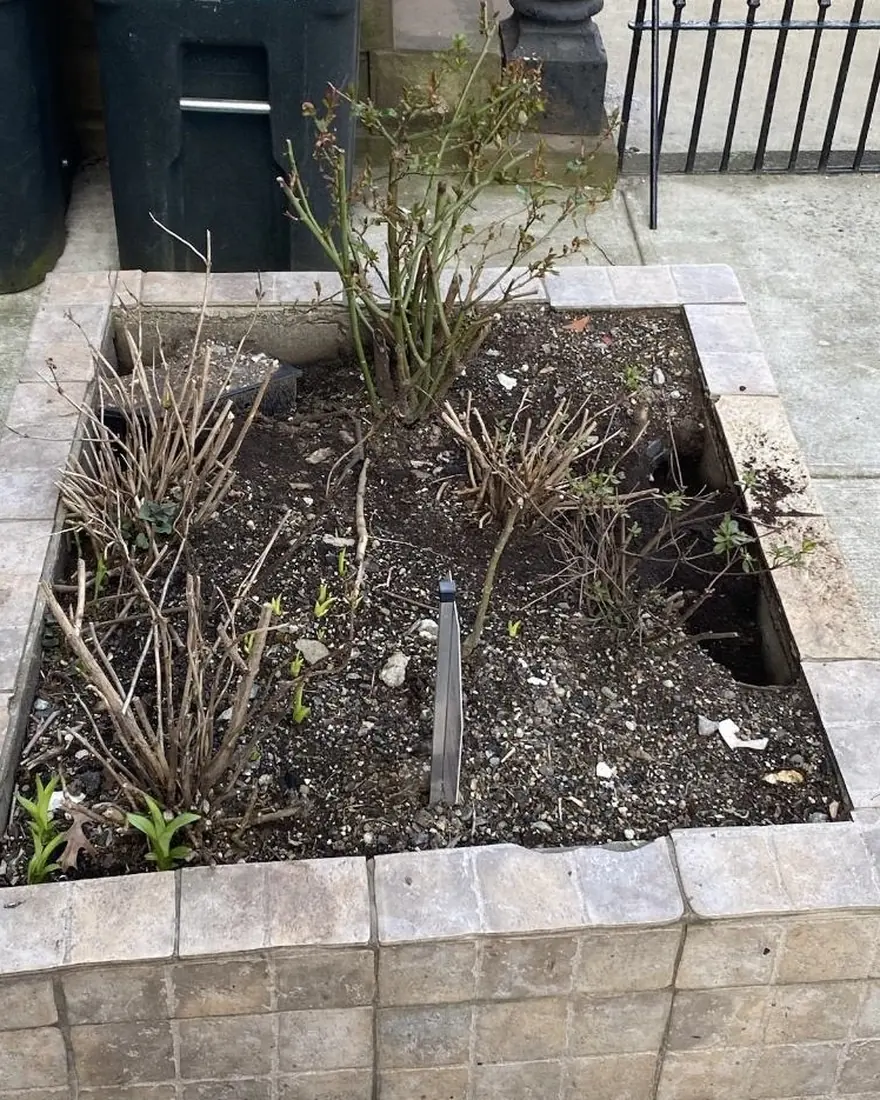
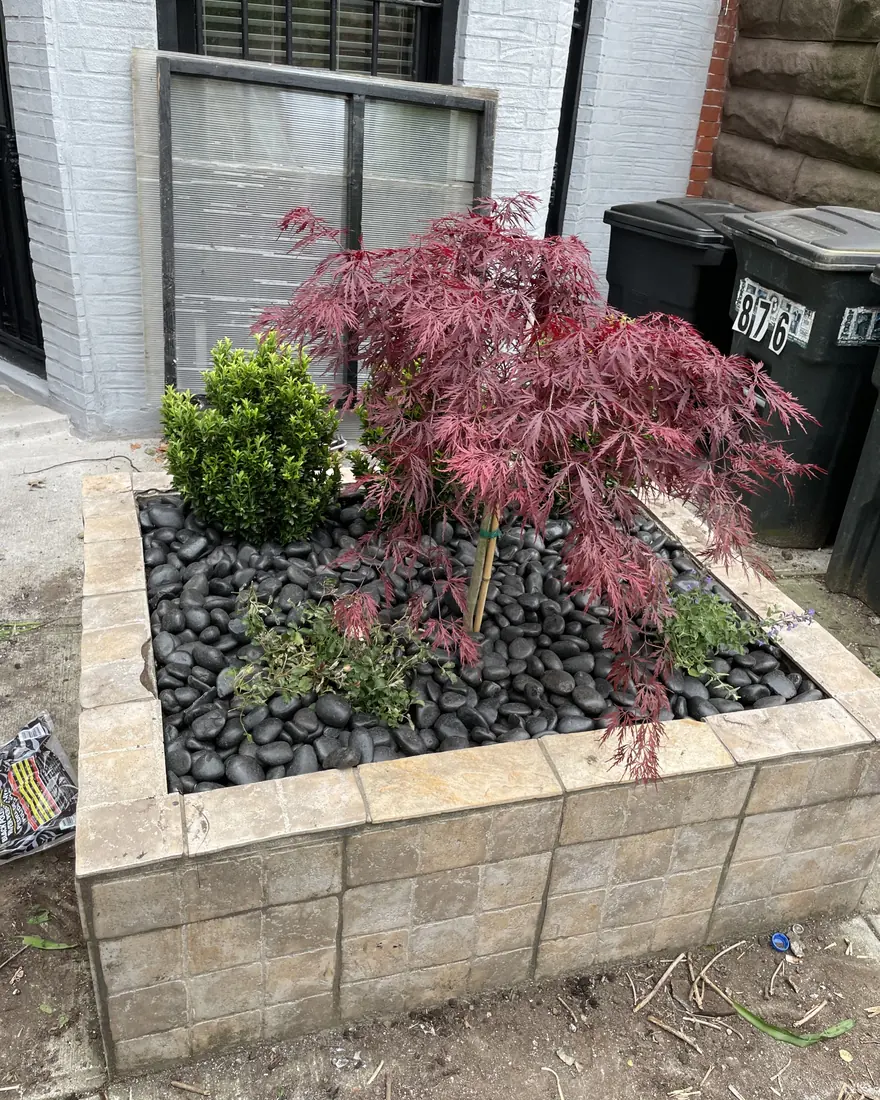
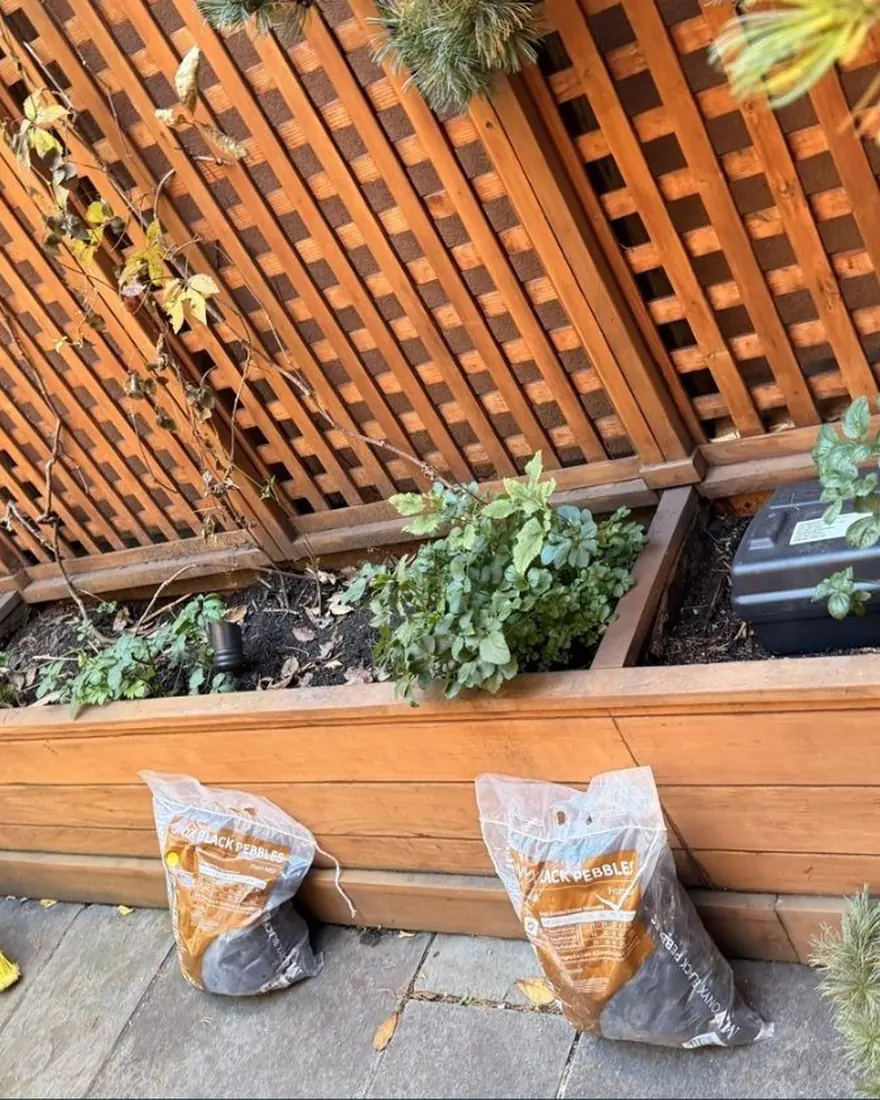
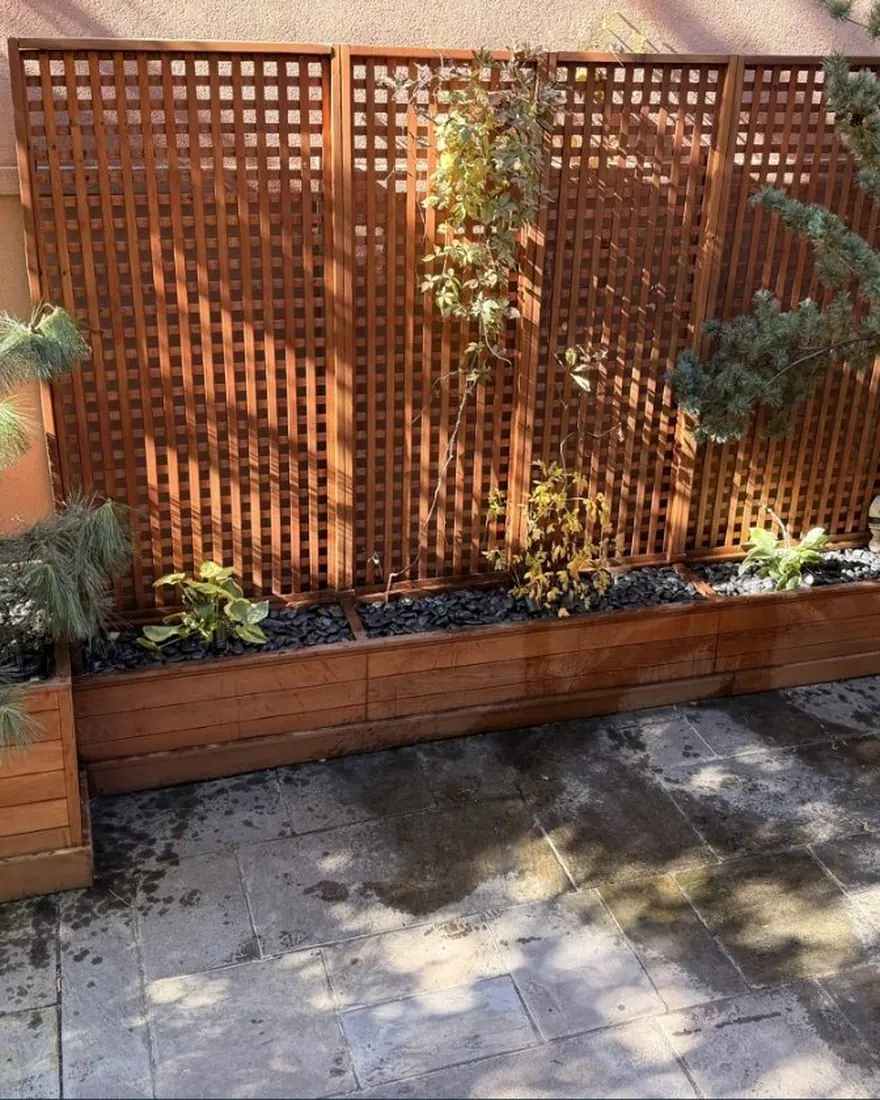
Before and after: landscape work
Planting beds are where rats burrow in. These are rebuilt so they cannot be dug into. Tap through the phases, or drag the handle on each photo.
Field record · Demolition and remediation
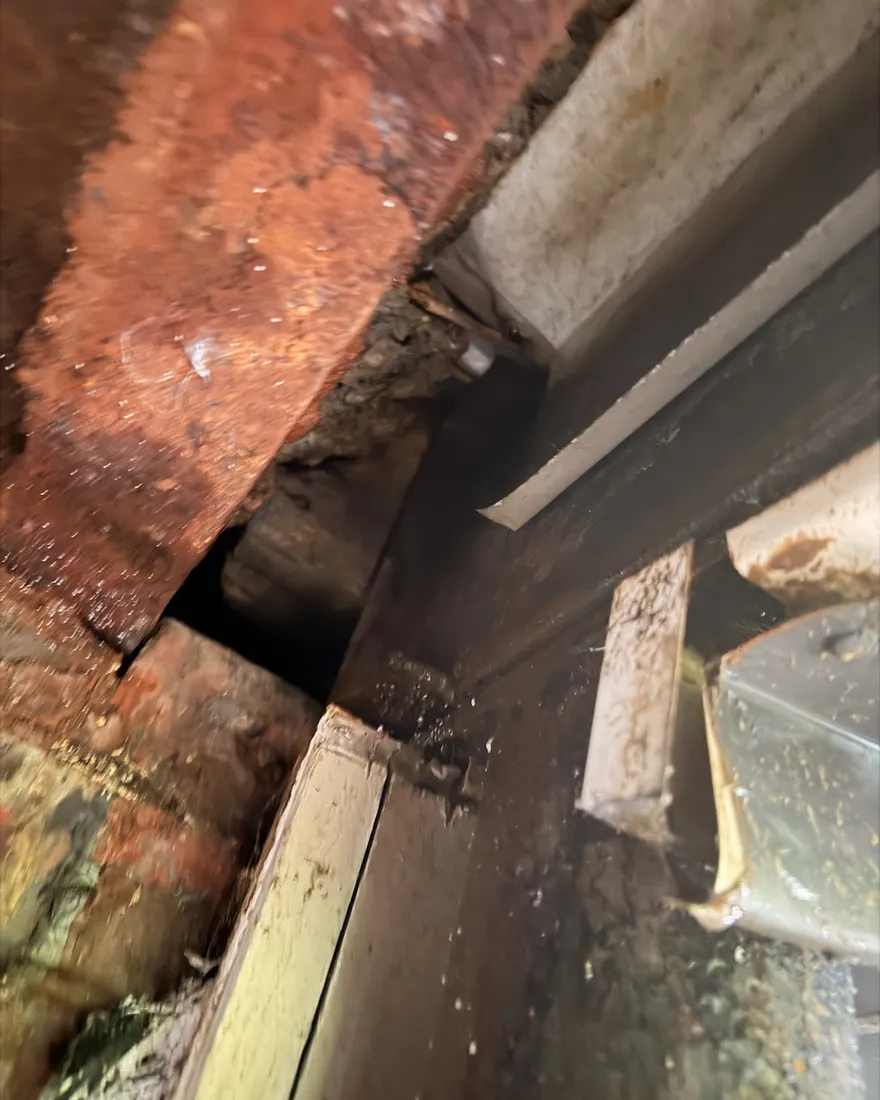
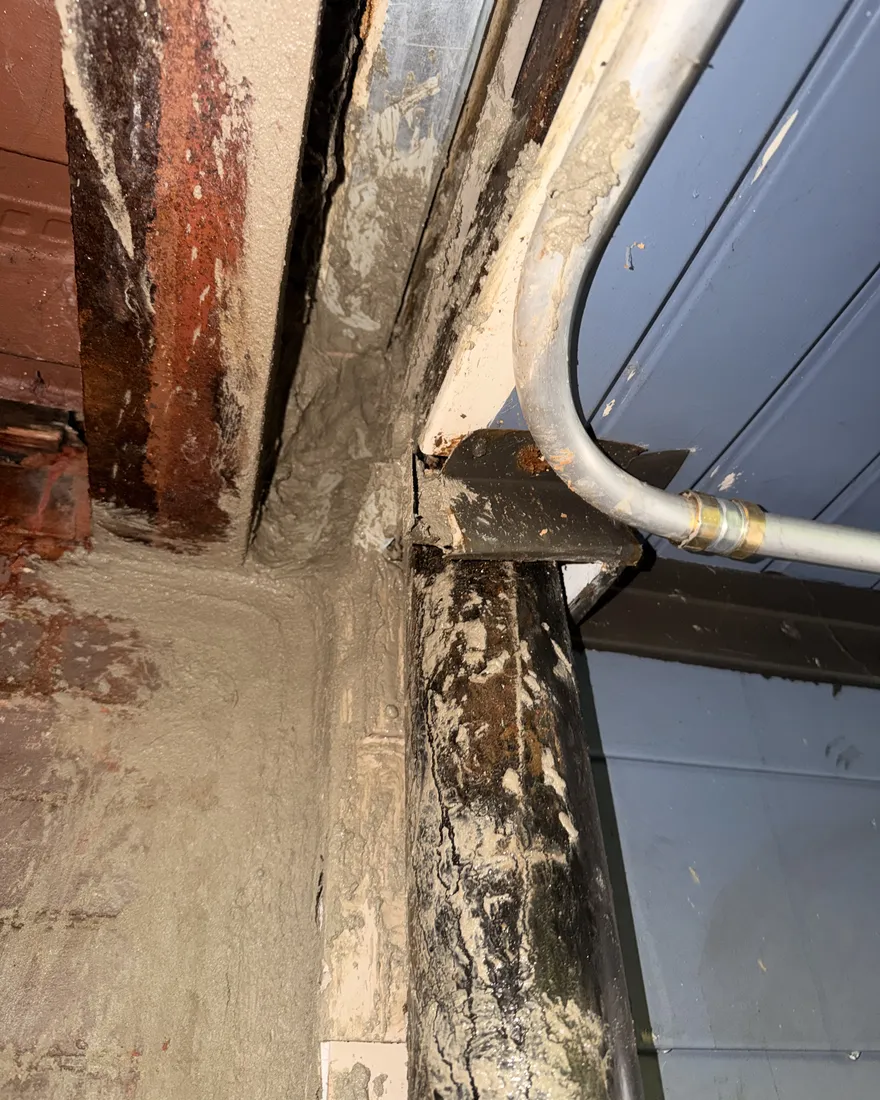
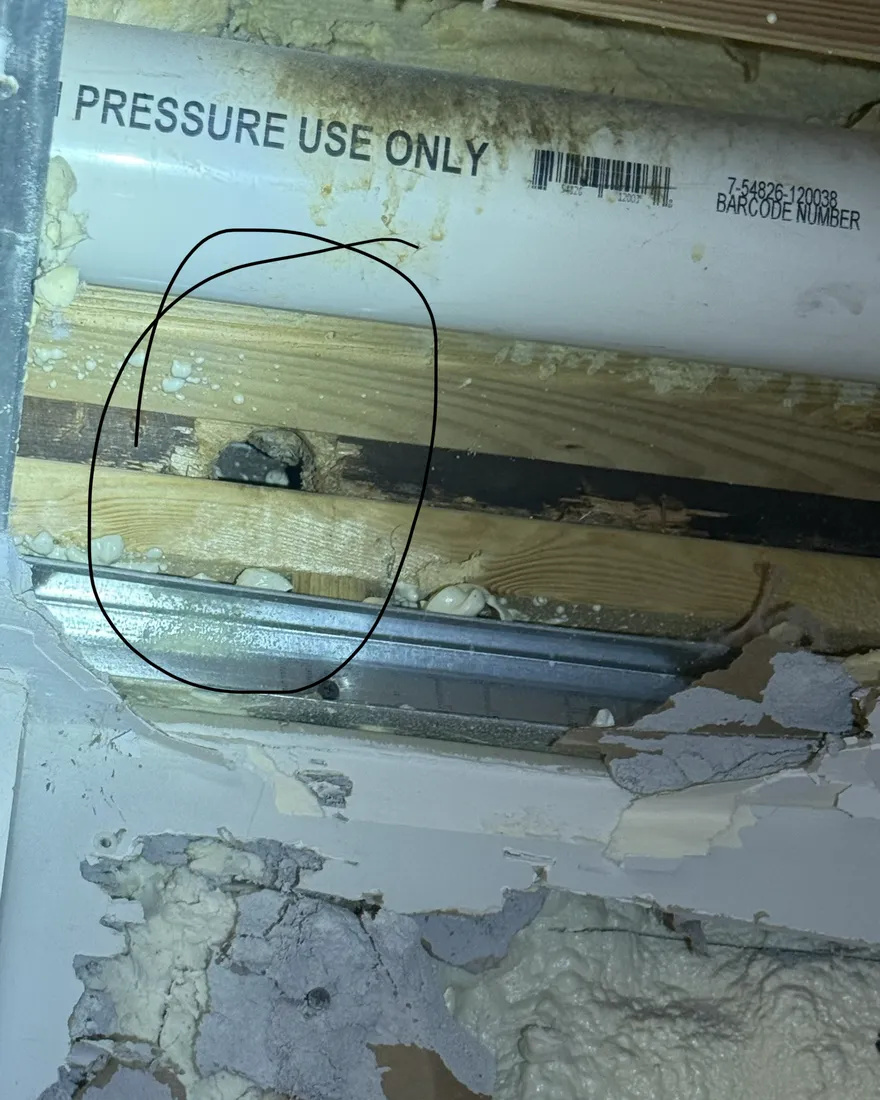
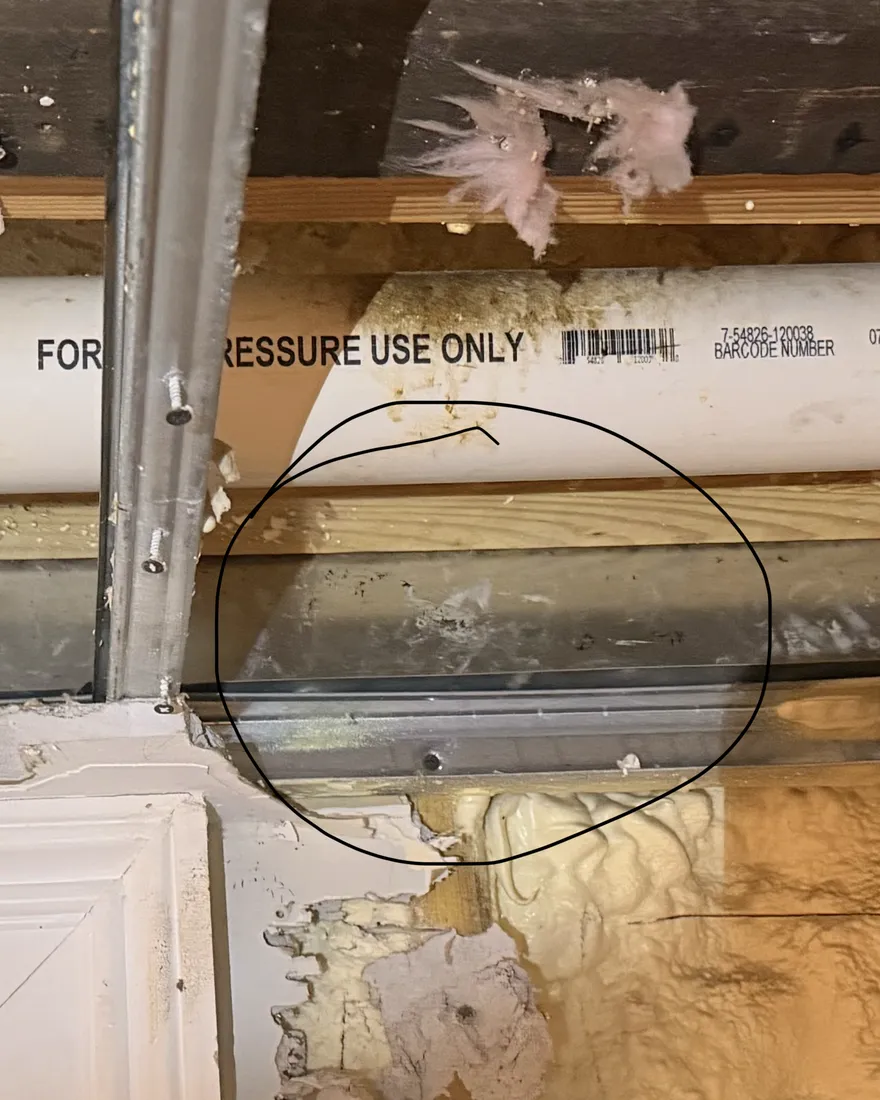
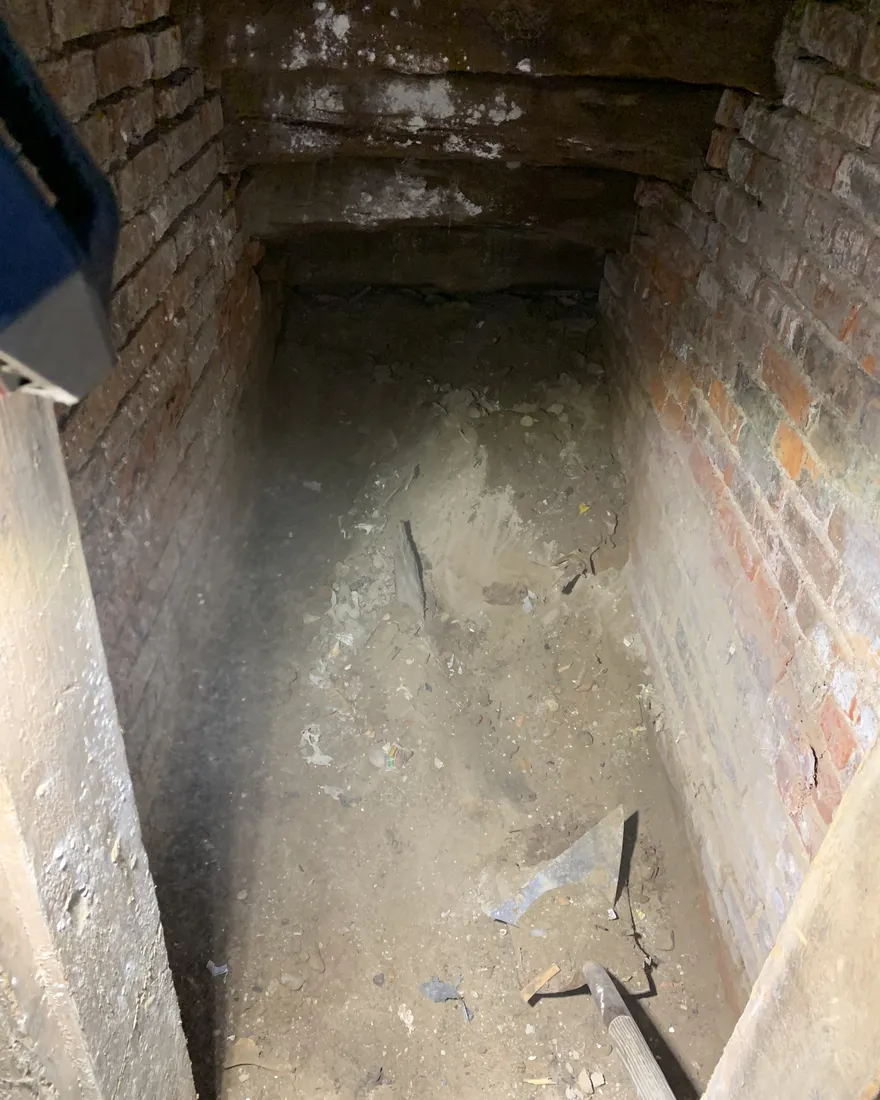
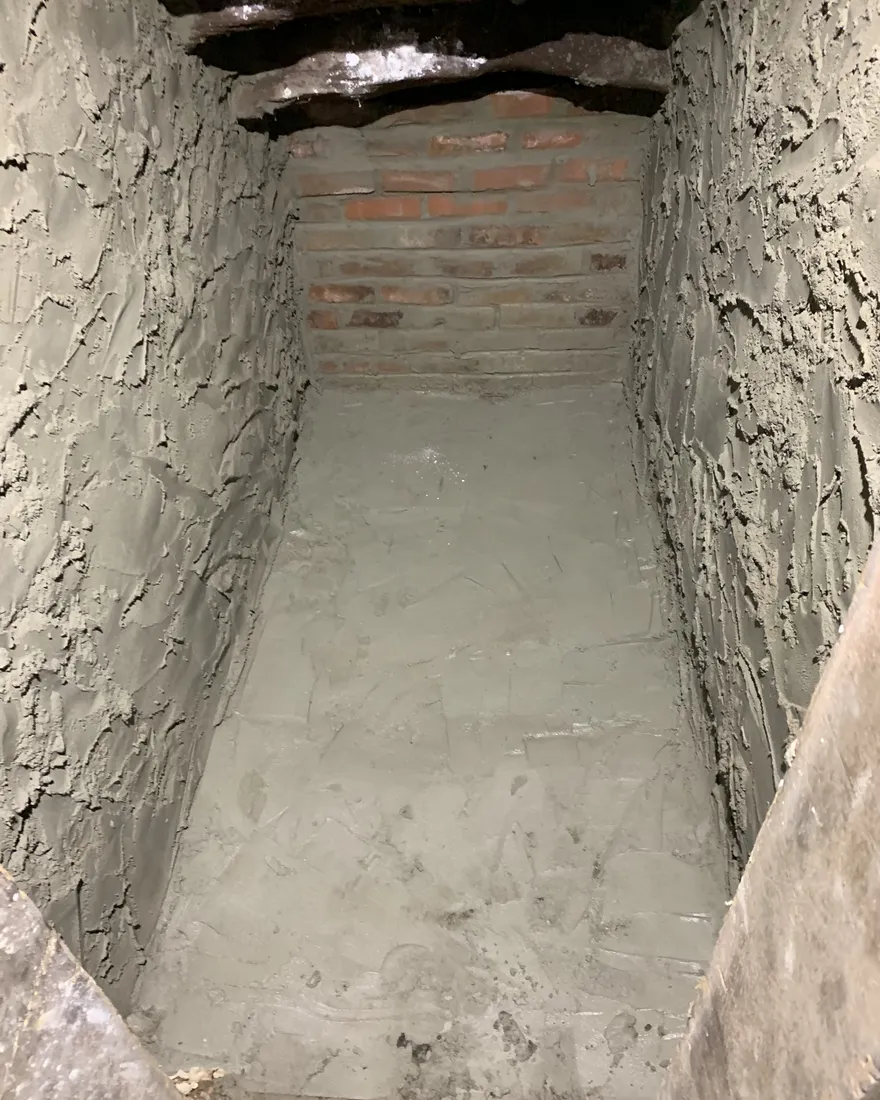
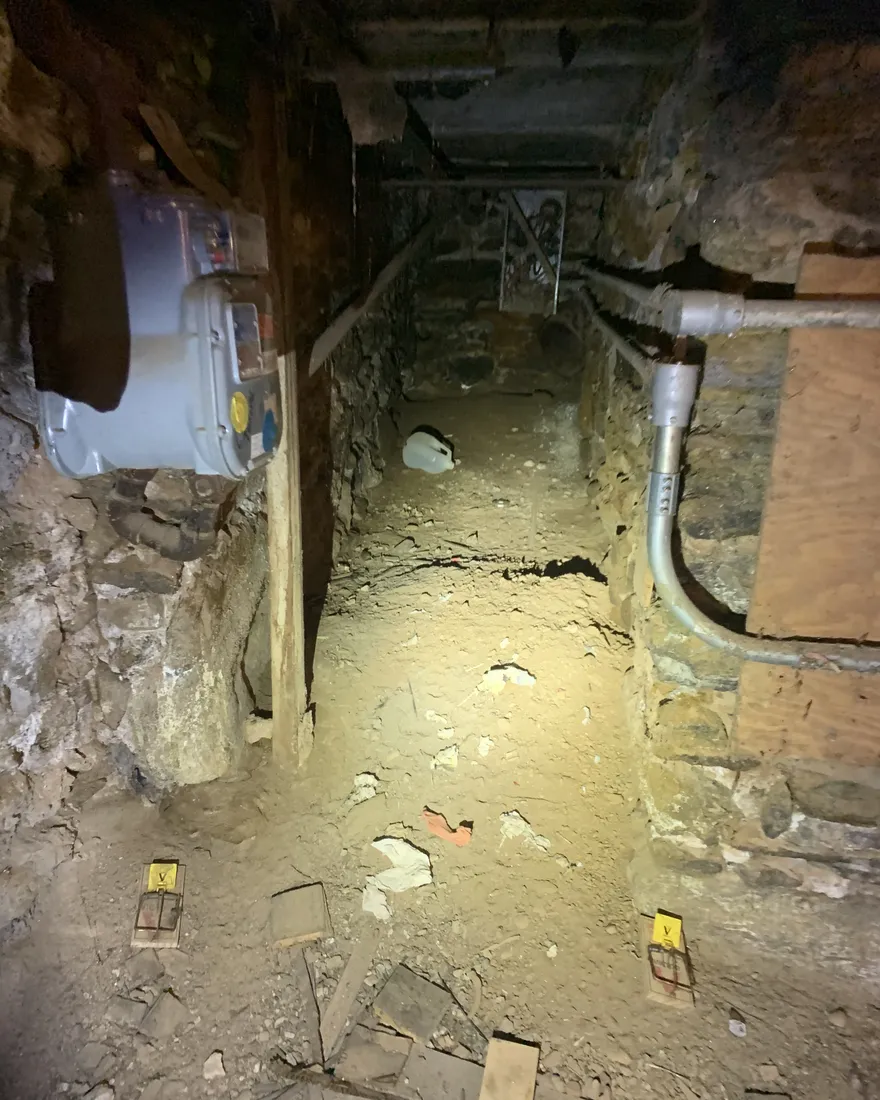
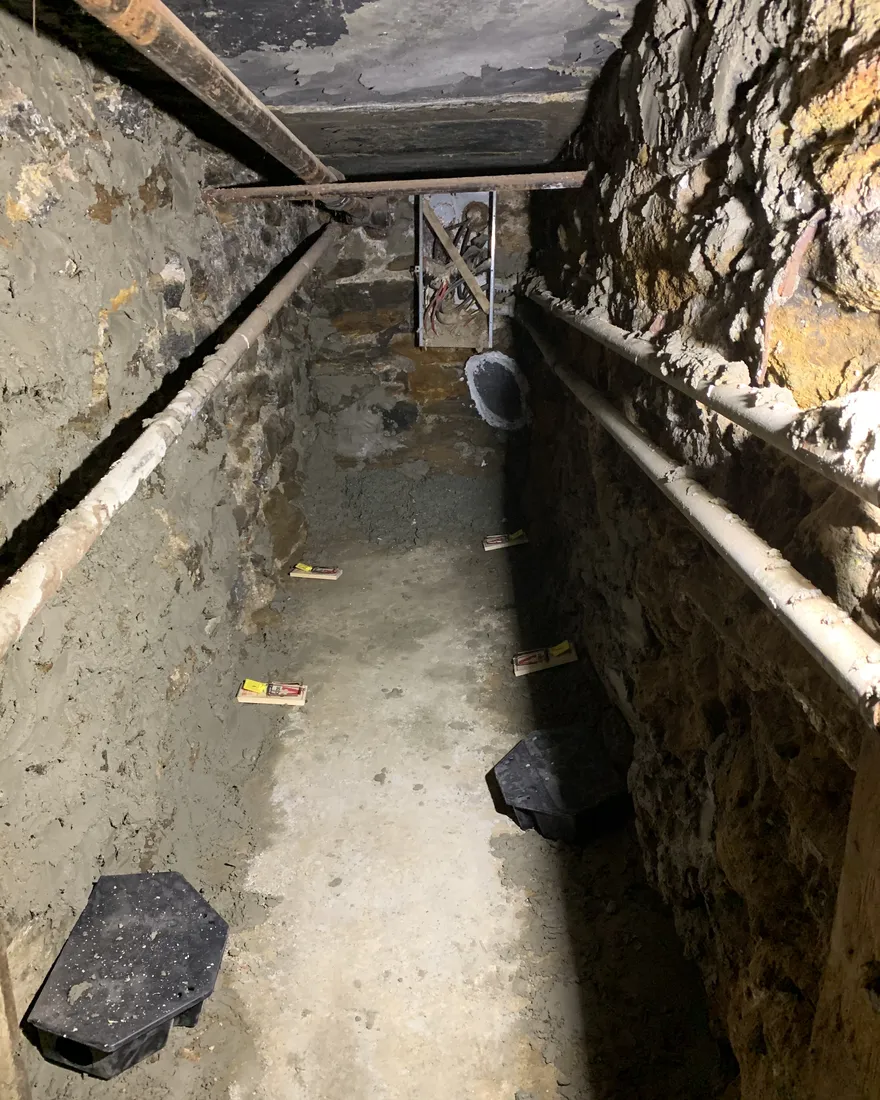
When it takes opening the building up
Some problems are not at the surface. These jobs went down to the dirt and into the walls to reach the cause. Tap through each phase.
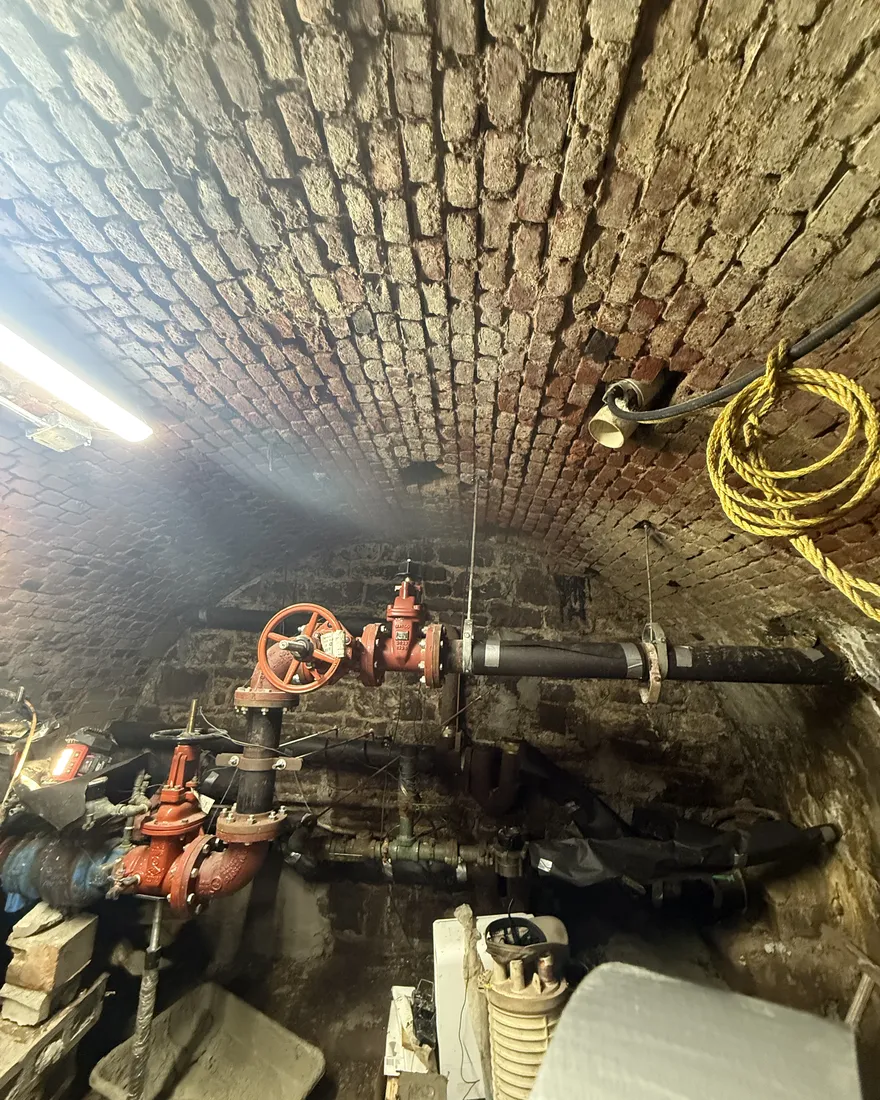
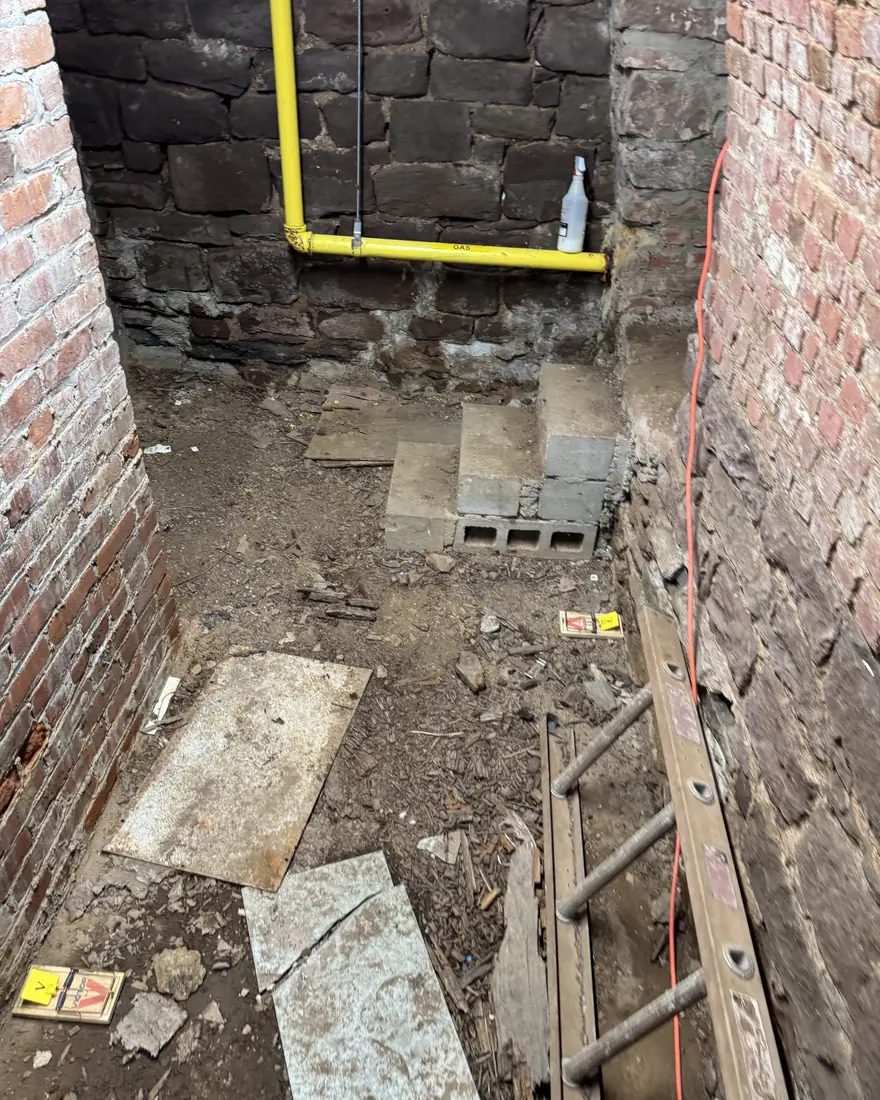
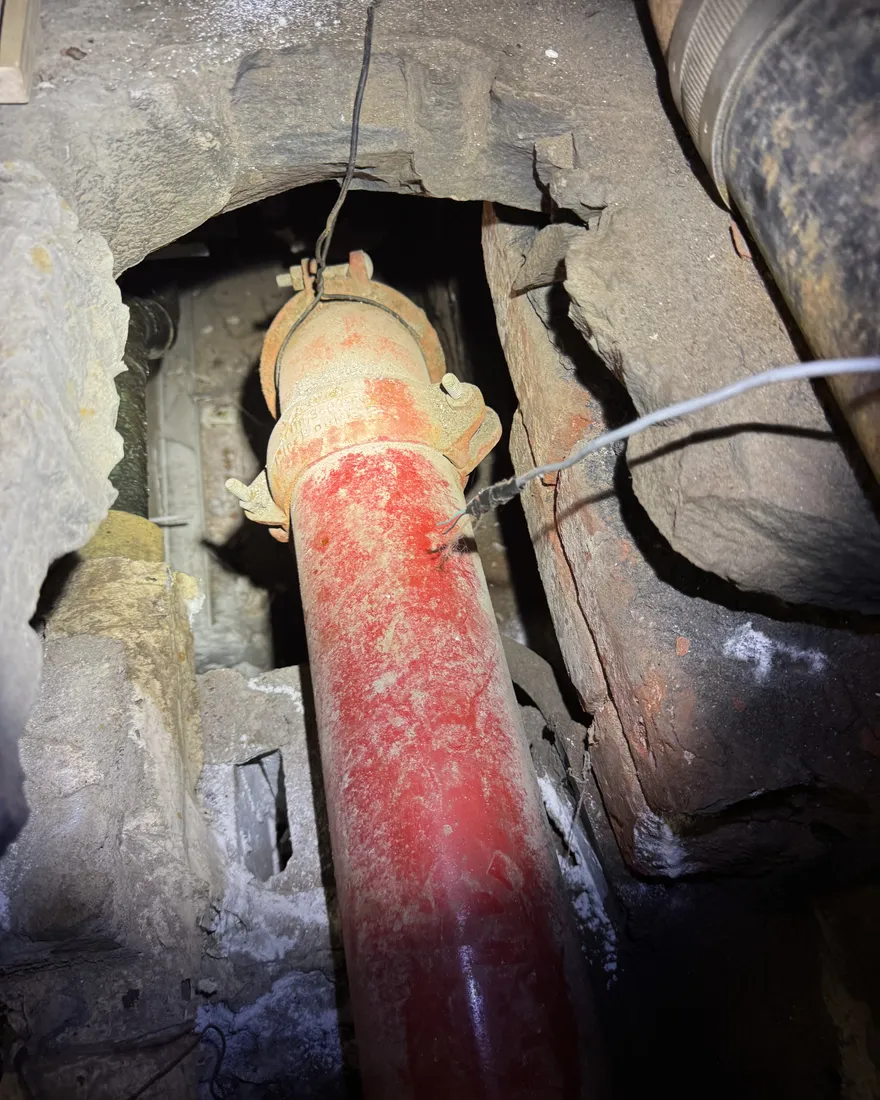
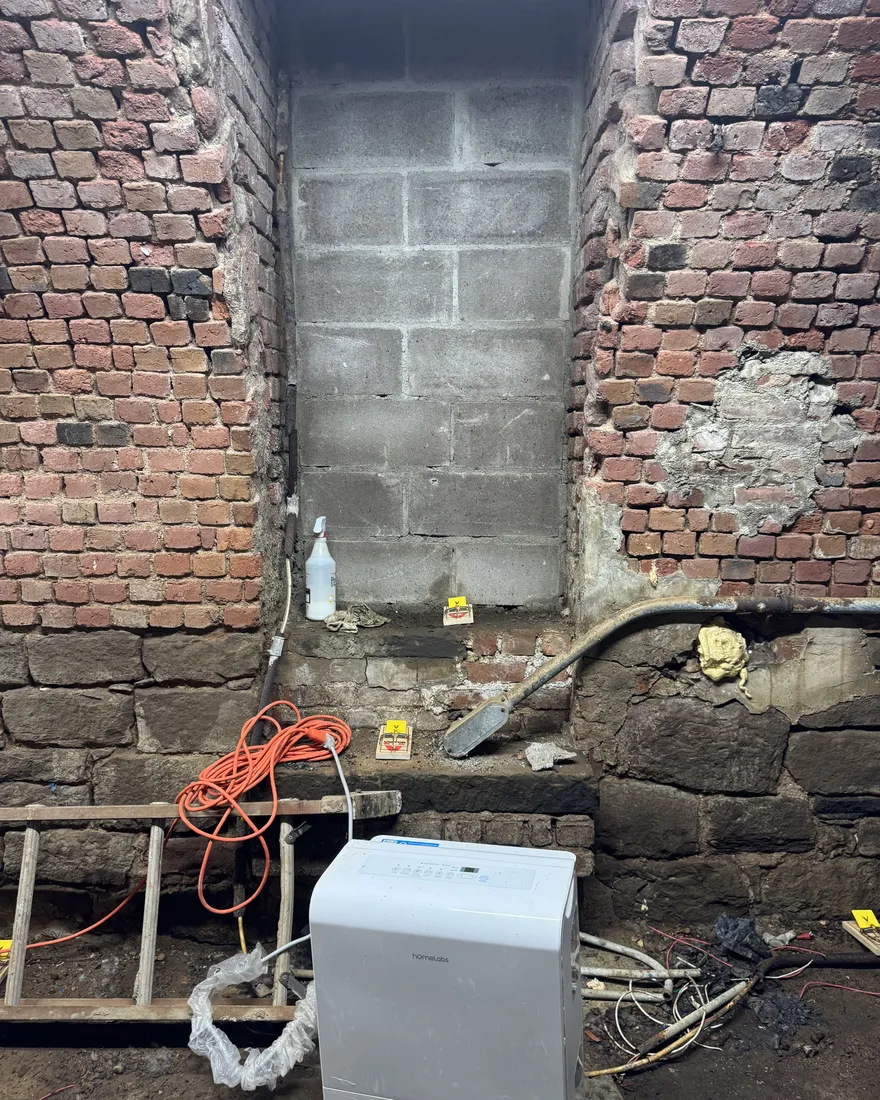
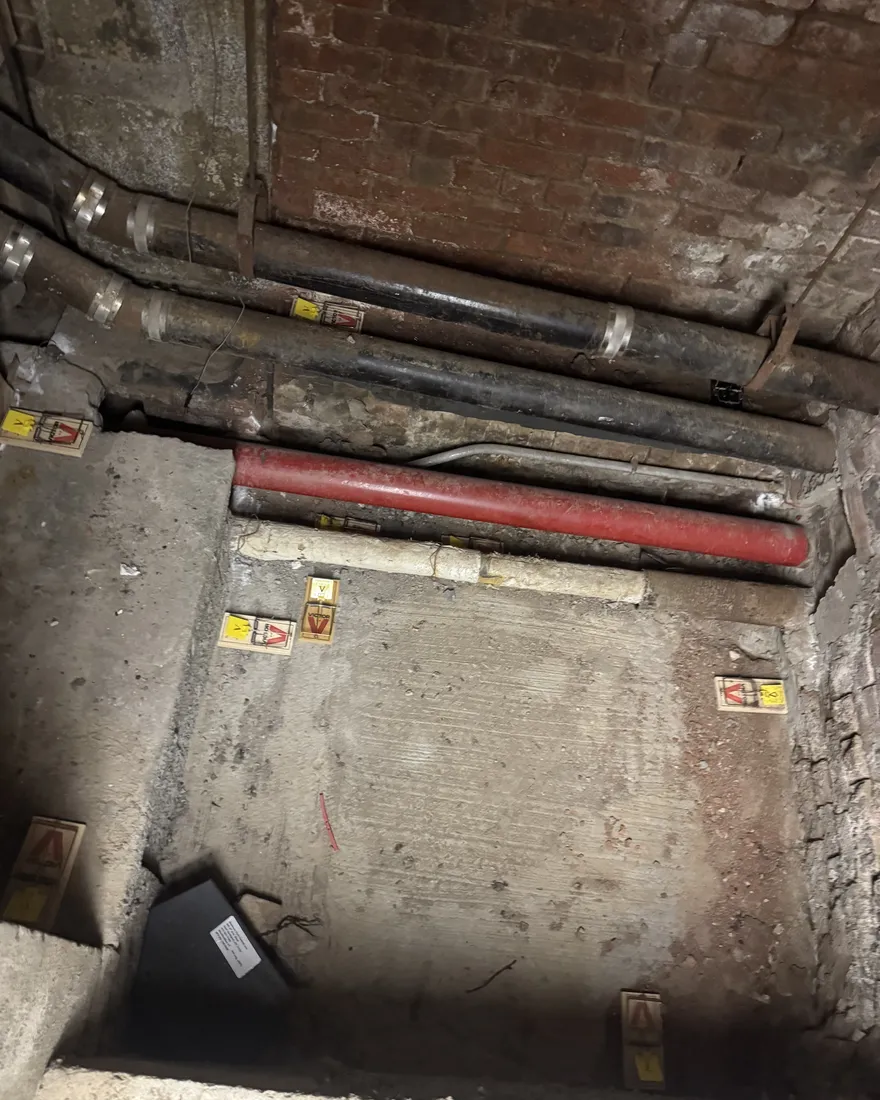
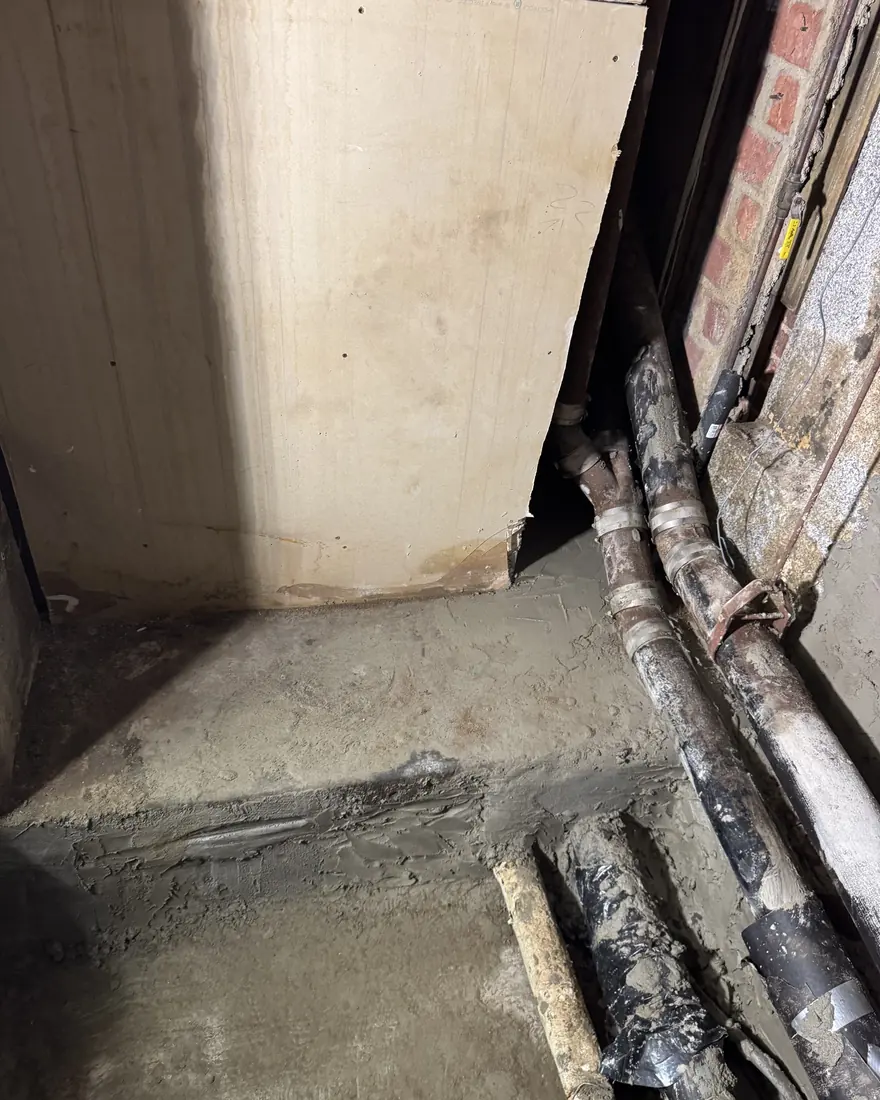
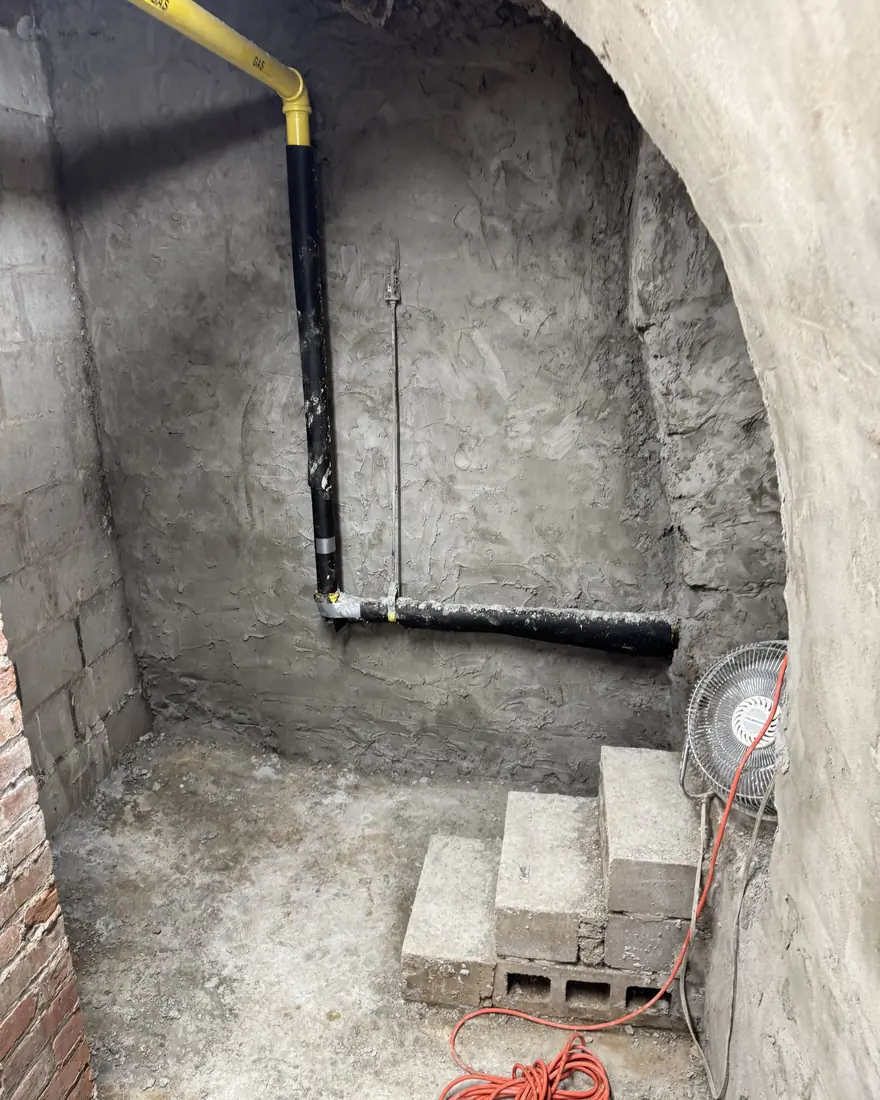
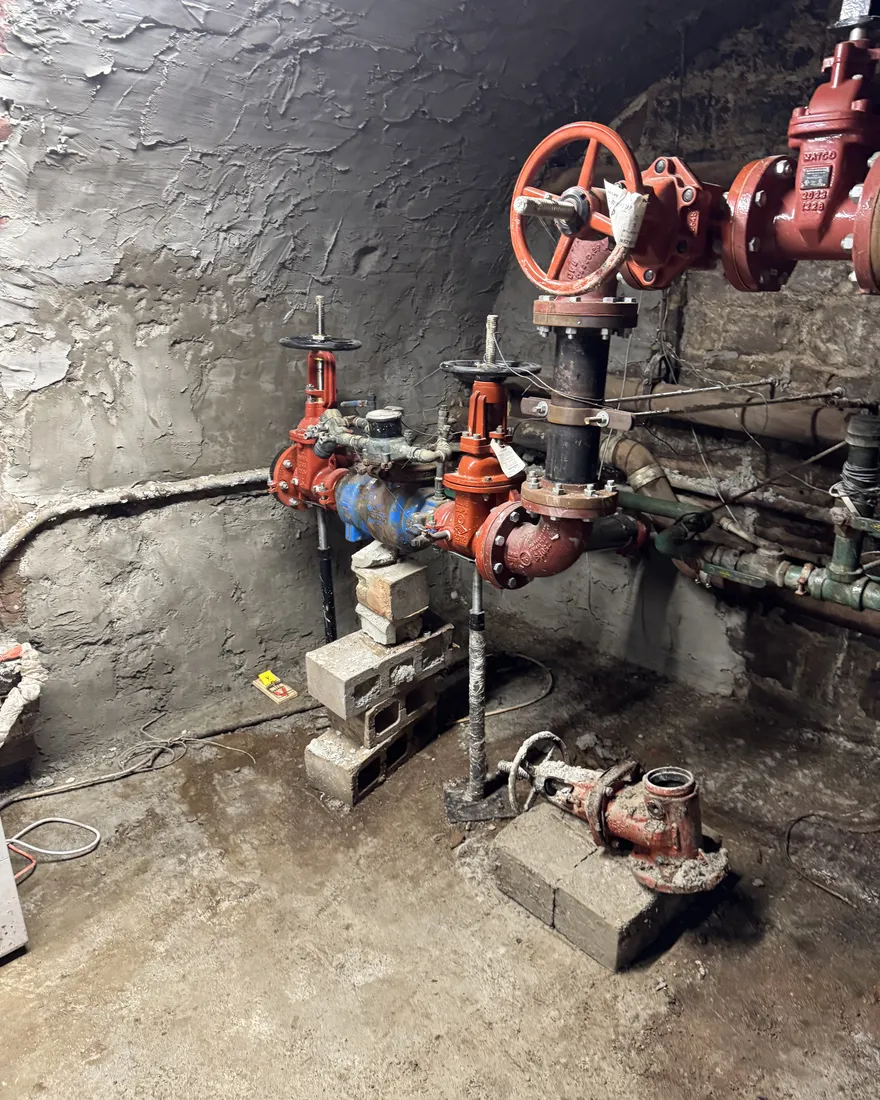
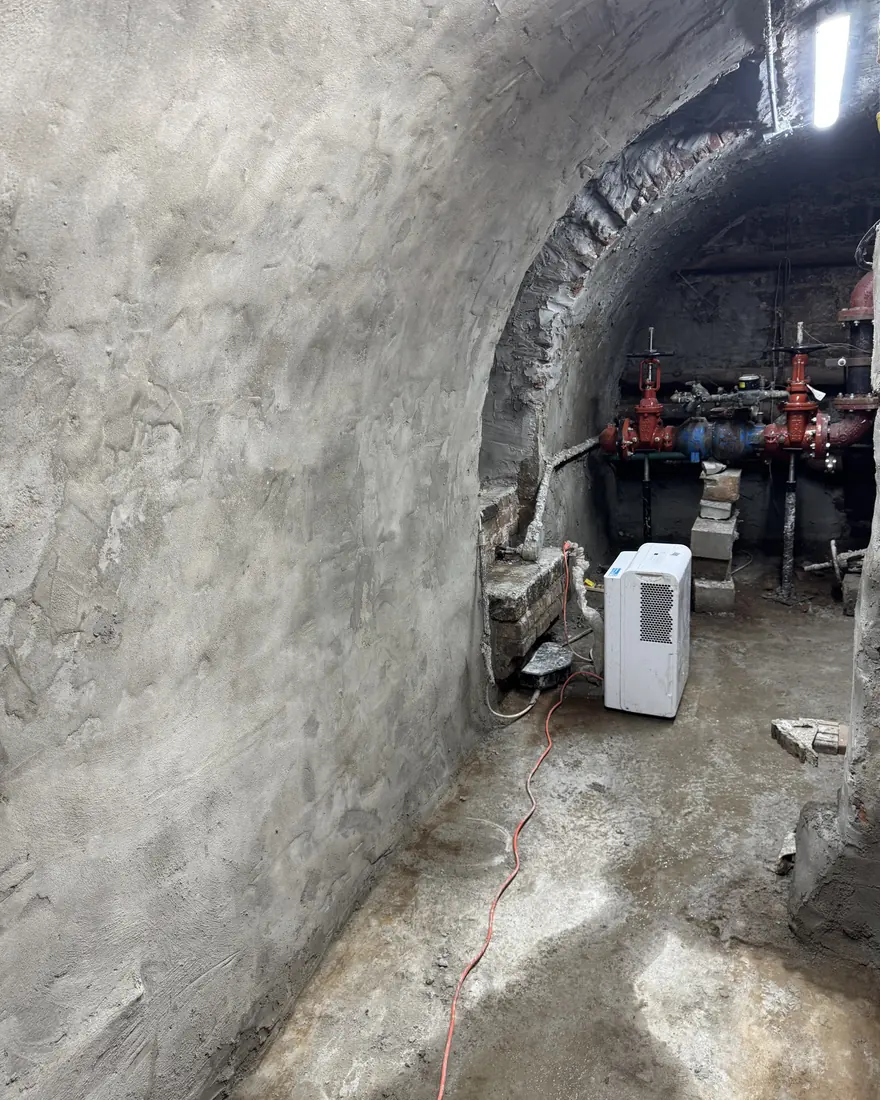
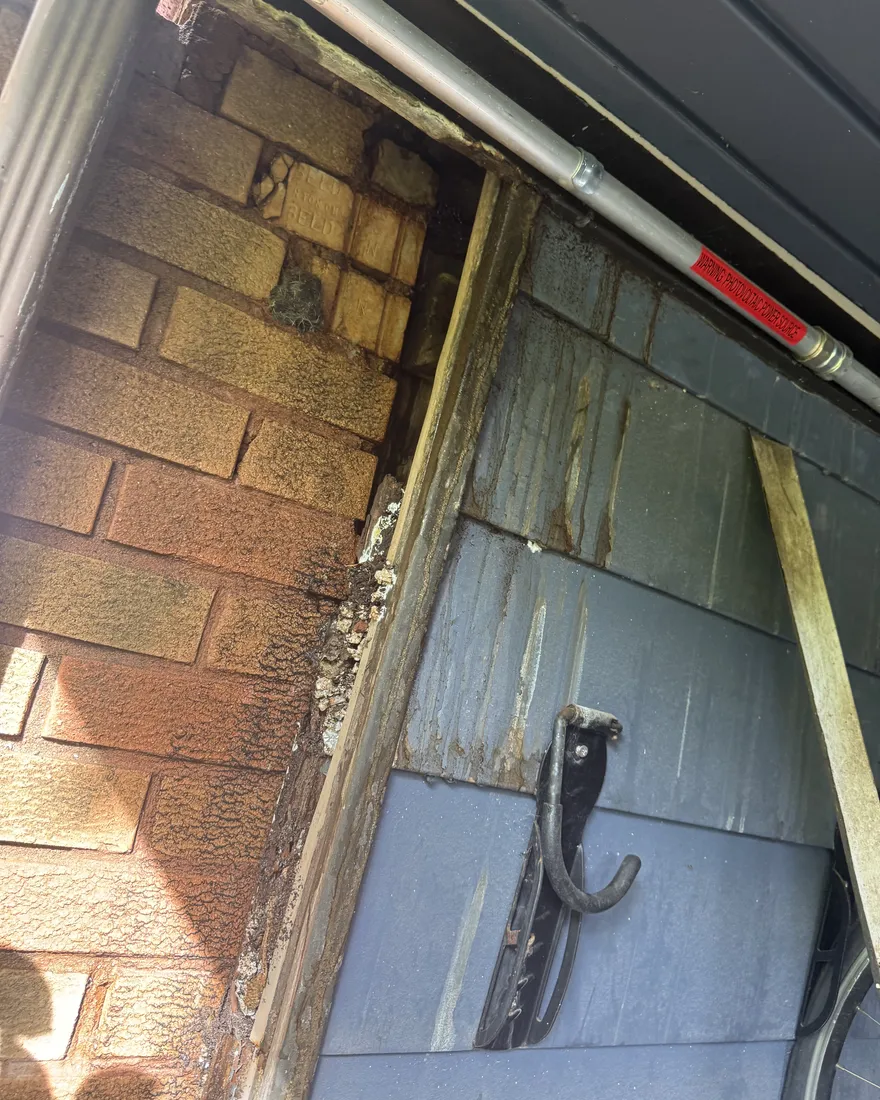
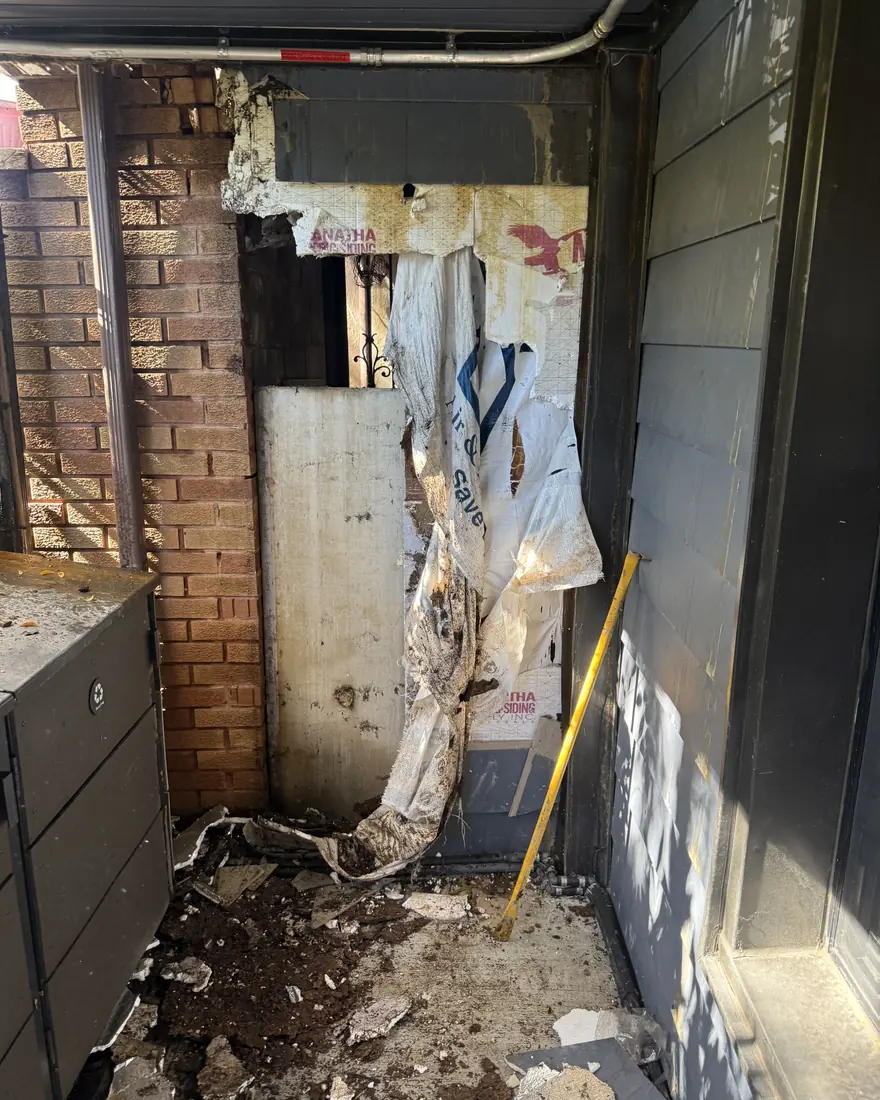
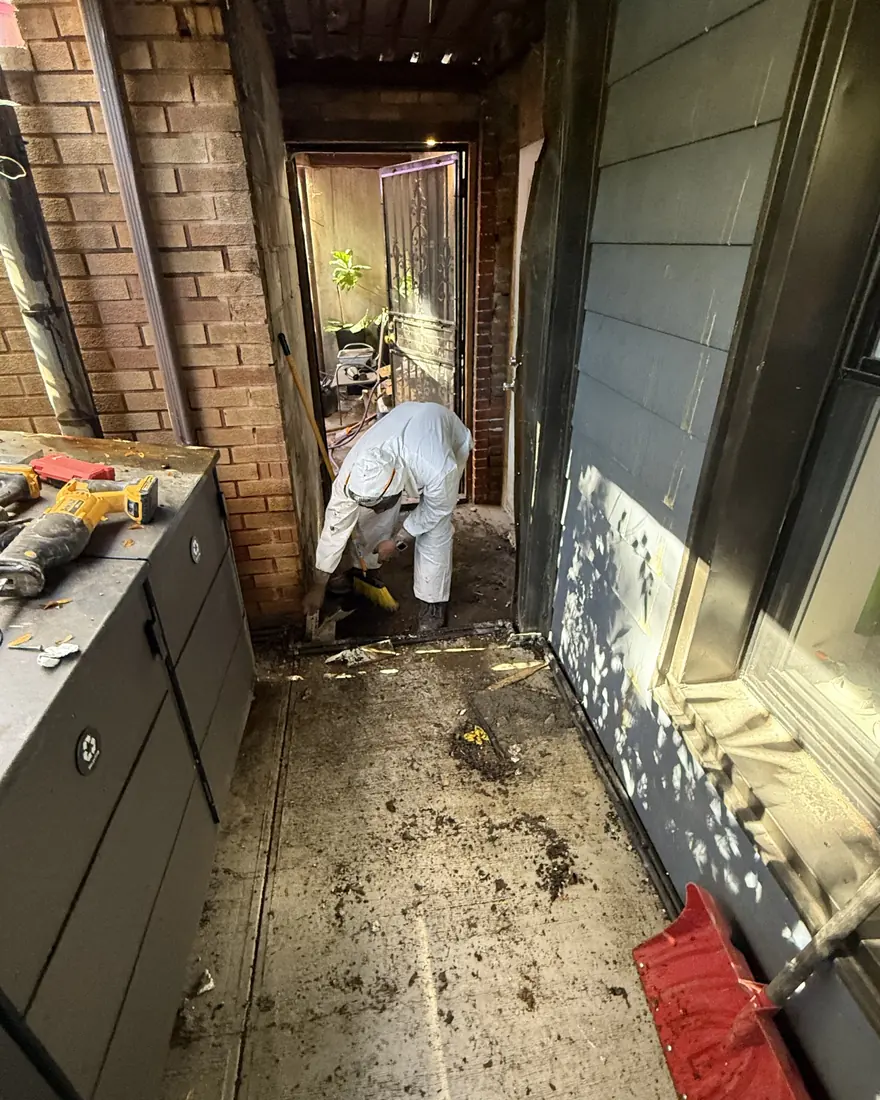
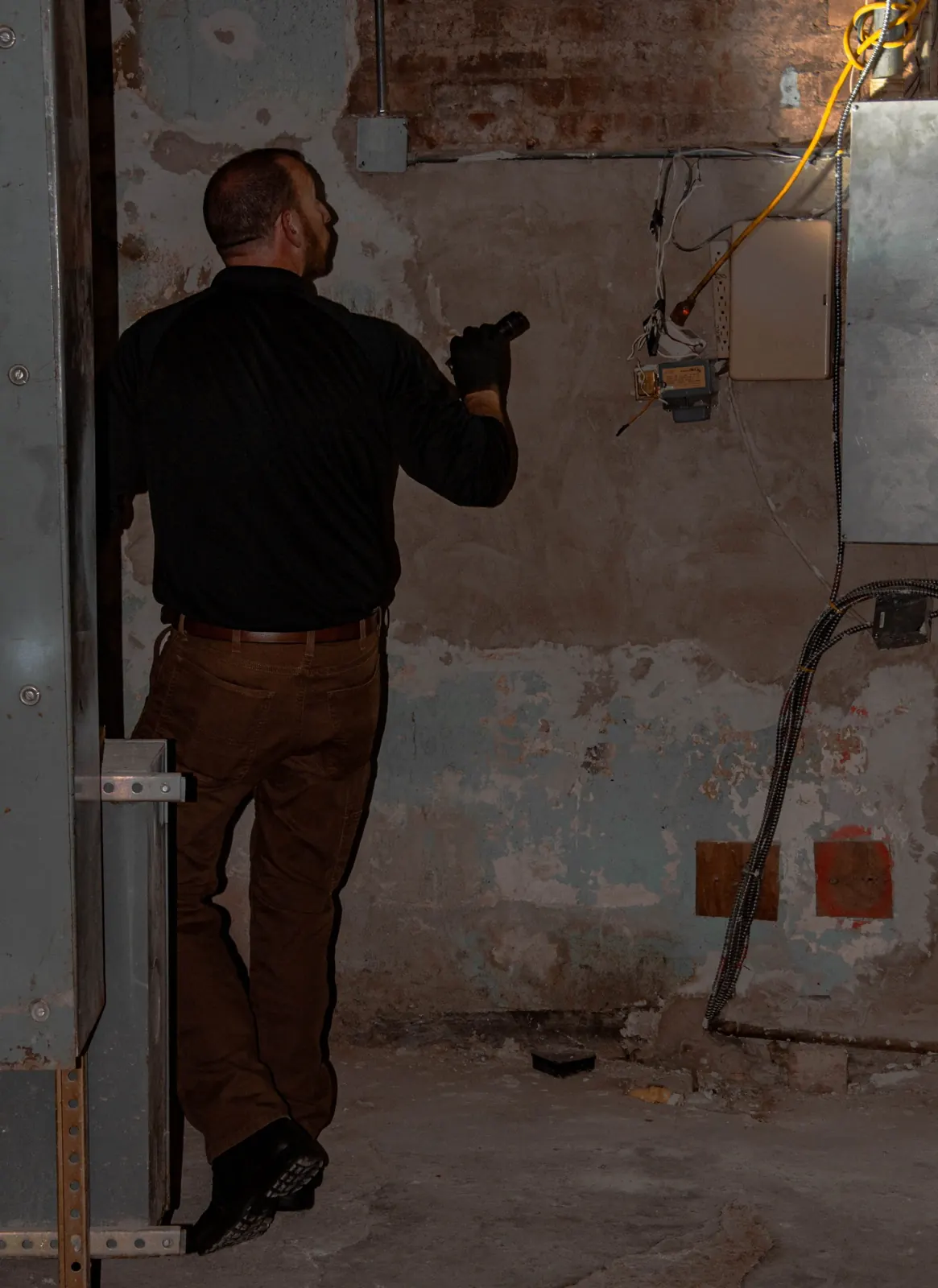
In the field
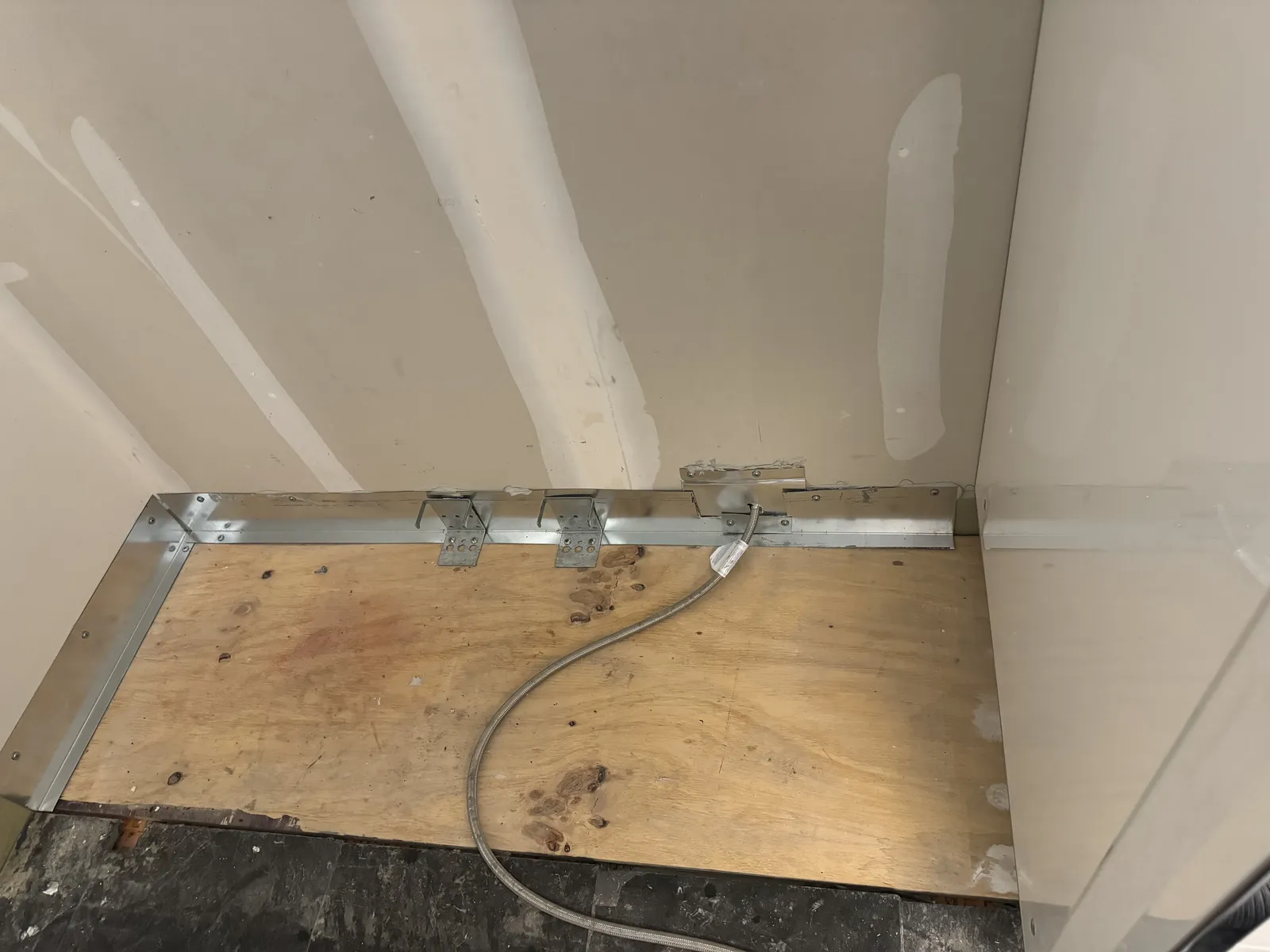
Custom metal fabrication
26-gauge galvanized sheet metal, fabricated to fit each opening. A rodent cannot chew through it, and it can be shaped around pipes, lines and framing that no other material closes cleanly.
Where we work
We work across all of Long Island and in Manhattan, Brooklyn and Queens. The 50 communities on our service area list are where we work most often, not the edge of where we go. If your town is not on it, call.
Common questions
What areas does Graduate Pest Control serve?
We work across all of Long Island, Nassau and Suffolk, and in Manhattan, Brooklyn and Queens. The 50 communities on our service area pages are where we work most often, not the limit of where we go, so call even if your town is not listed.
What makes Graduate different from other pest control companies?
We treat pest work as building science. Most infestations are a symptom of a structural condition, a moisture path, an open sill, an unsealed penetration, and we correct the condition rather than spraying on a schedule.
How long has Graduate Pest Control been in business?
Graduate Pest Control was founded in 1983 by Arnold Katz, who holds a B.S. in Entomology from the University of Georgia. It is now run by his son, Ryan Katz.
Do you work with co-op and condo boards?
Yes. Building-wide work for boards, property managers and commercial accounts is a core part of the practice, including the documentation those buildings need for their statutory obligations.
Do you handle commercial and food facilities?
Yes. We work with restaurants, food manufacturing and processing facilities, hotels and property management portfolios, including audit-ready program documentation.
How do I get started?
Start with a free consultation: call (631) 212-9601 or use the form. You tell us what you are seeing and where, and we tell you what it most likely is and what it will take to fix. Most routine work can be priced on that call.
Get in touch
Tell us what you are seeing
Four questions, answered by a person within one business day. If it is urgent, call: the line is answered at any hour.
Pest control
Start with a free consultation
A consultation is a phone call with us about your problem. You tell us what you are seeing, where in the building, and how long it has been going on. We tell you what it most likely is, what is causing it, and what it will take to fix. Most routine work can be priced on that call.
There is no charge and no obligation. If we are not the right fit, we will say so before anyone books a visit.
Call (631) 212-9601Schedule an inspection
Answered at any hour.